

The artsy guide to Mallorca
Mallorca can be small but comes in many flavors. Although typically known for its calas and beaches, there’s a mysterious enchantment in the island that opens up when you start looking for the things people made: the buildings, the paintings, the objects shaped by hand. To me this is the real island. It moves at the pace of a gallery opening, a courtyard in dappled light, a potter's wheel slowing to a stop. Here's how I like to walk through it.
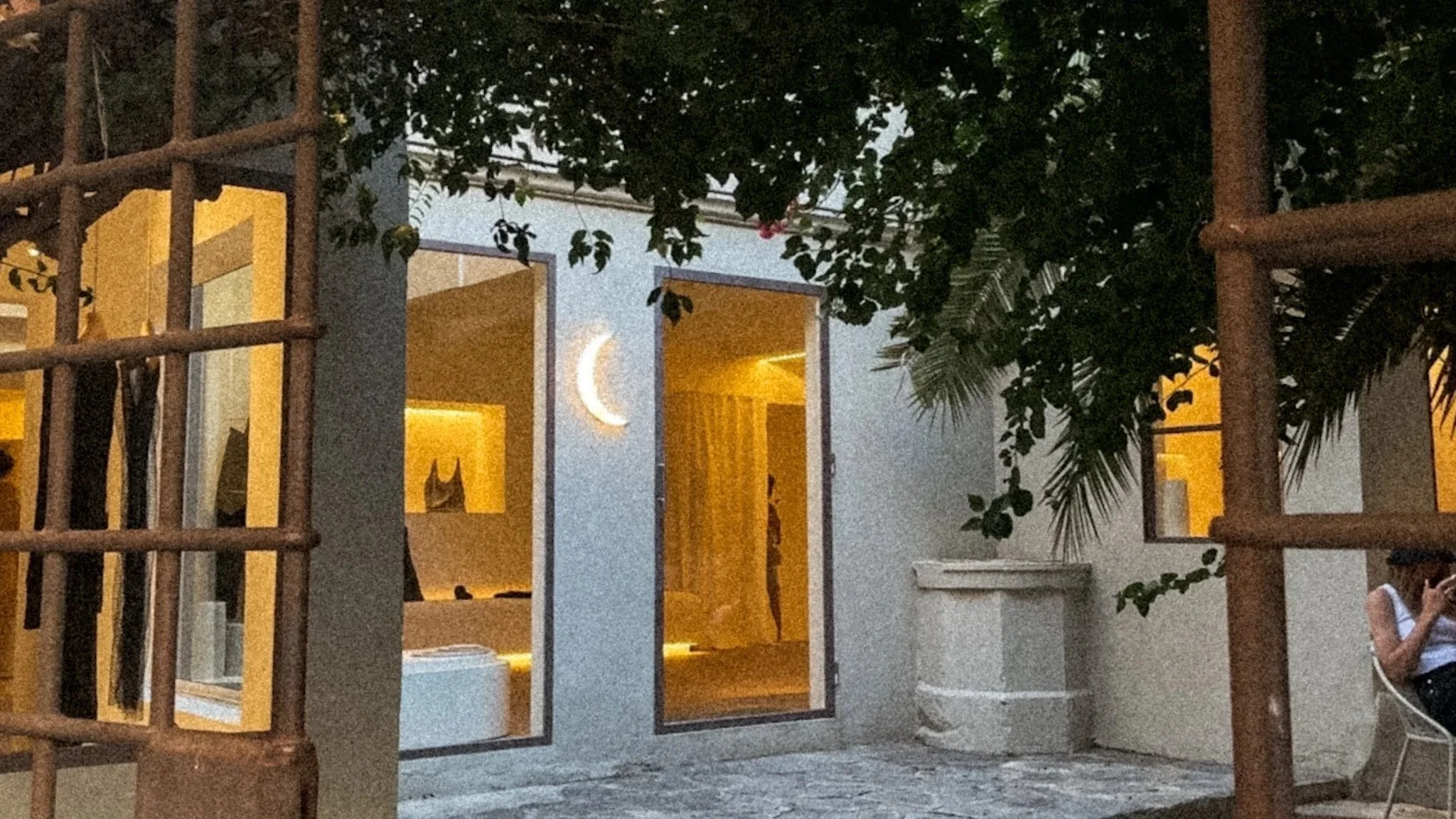
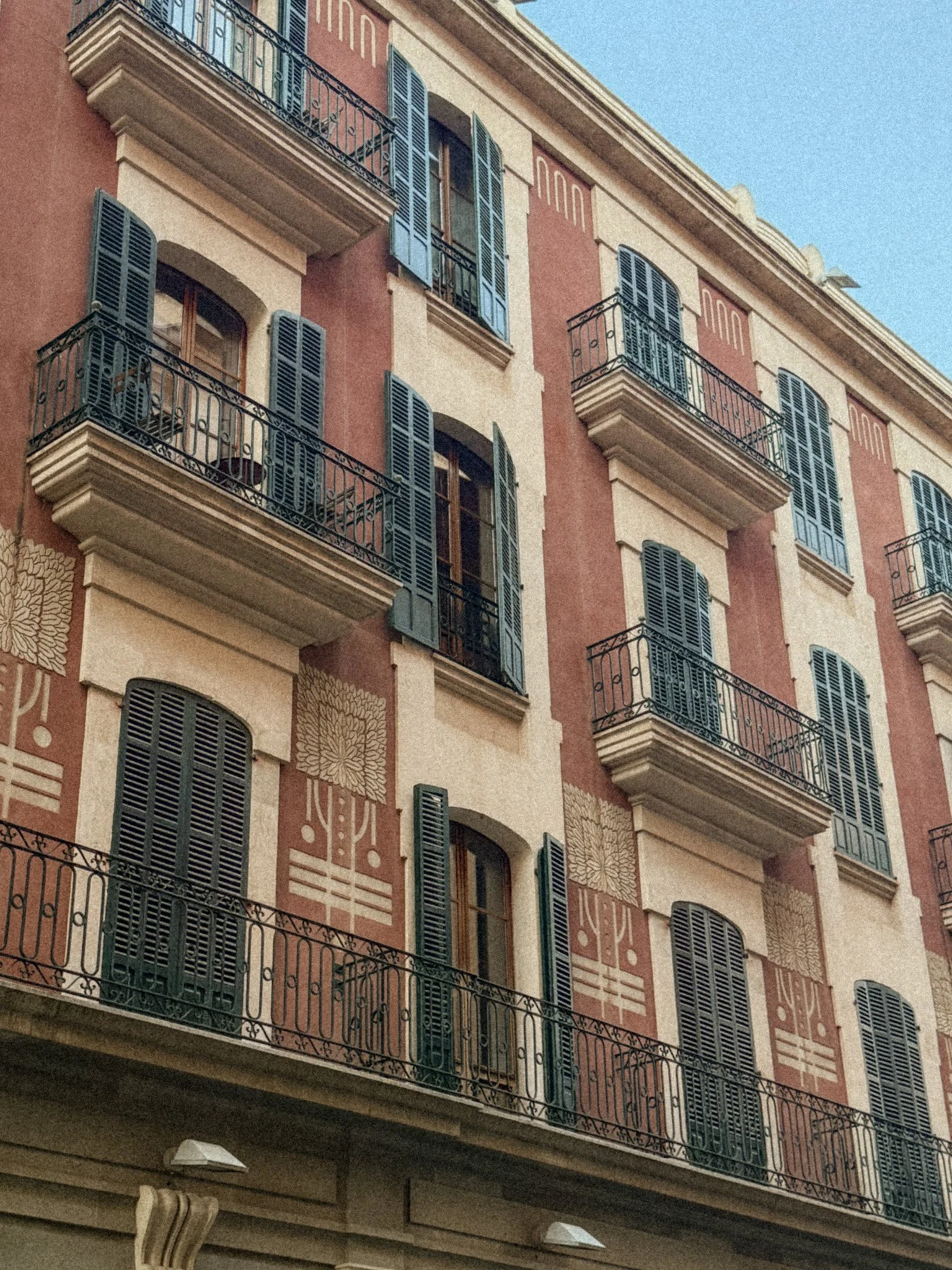
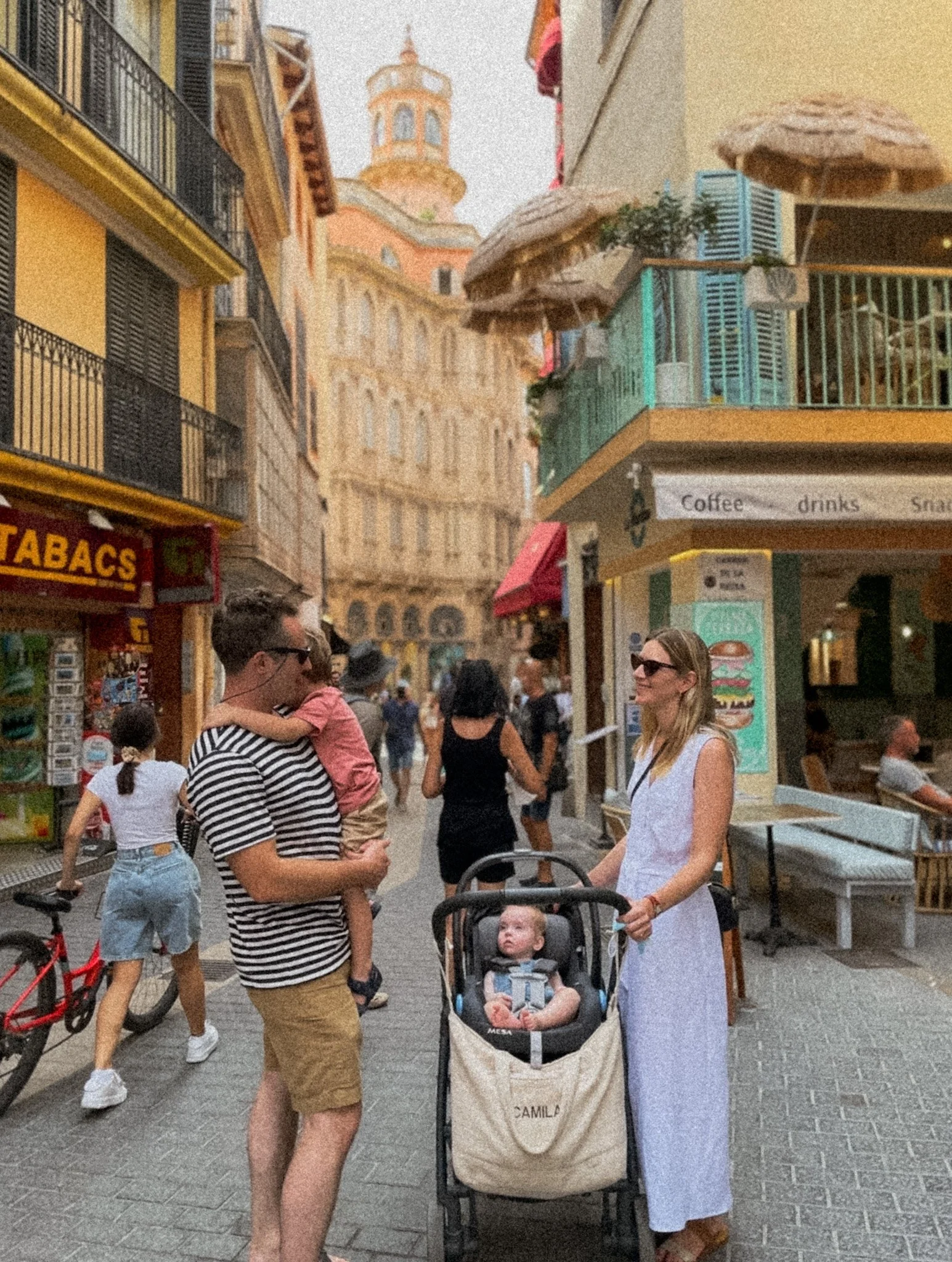
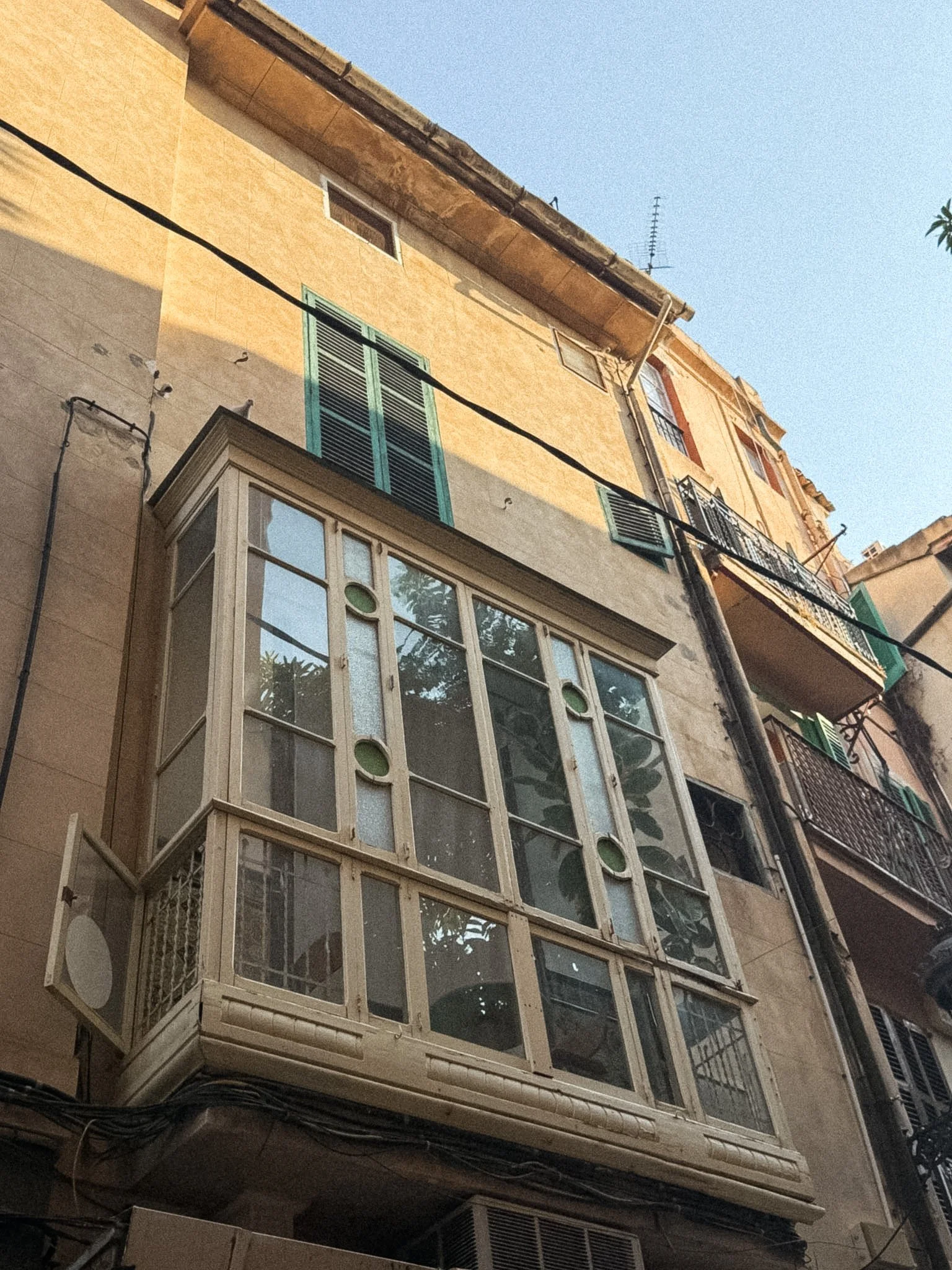
A charming alley in the old part of Palma
Palma: Stone, Light, History and Design
Palma is a city built in layers. Wander through its old town and you'll find narrow cobblestone streets that wind past Gothic cathedrals, Moorish-influenced courtyards, and centuries-old stone facades, each corner holding a little more of the island's story than the last. The cathedral, La Seu, anchors it all, rising dramatically from the sea wall as a reminder of just how much history this city carries.
But Palma isn't frozen in the past. In recent years, a new creative energy has taken root, with contemporary galleries, design studios, and concept stores settling into restored buildings alongside the historic ones. The result is a city that feels genuinely layered, where centuries-old architecture and cutting-edge art exist side by side, and where every street seems to hold both a piece of the past and a glimpse of where the island's design and art scene is headed next.
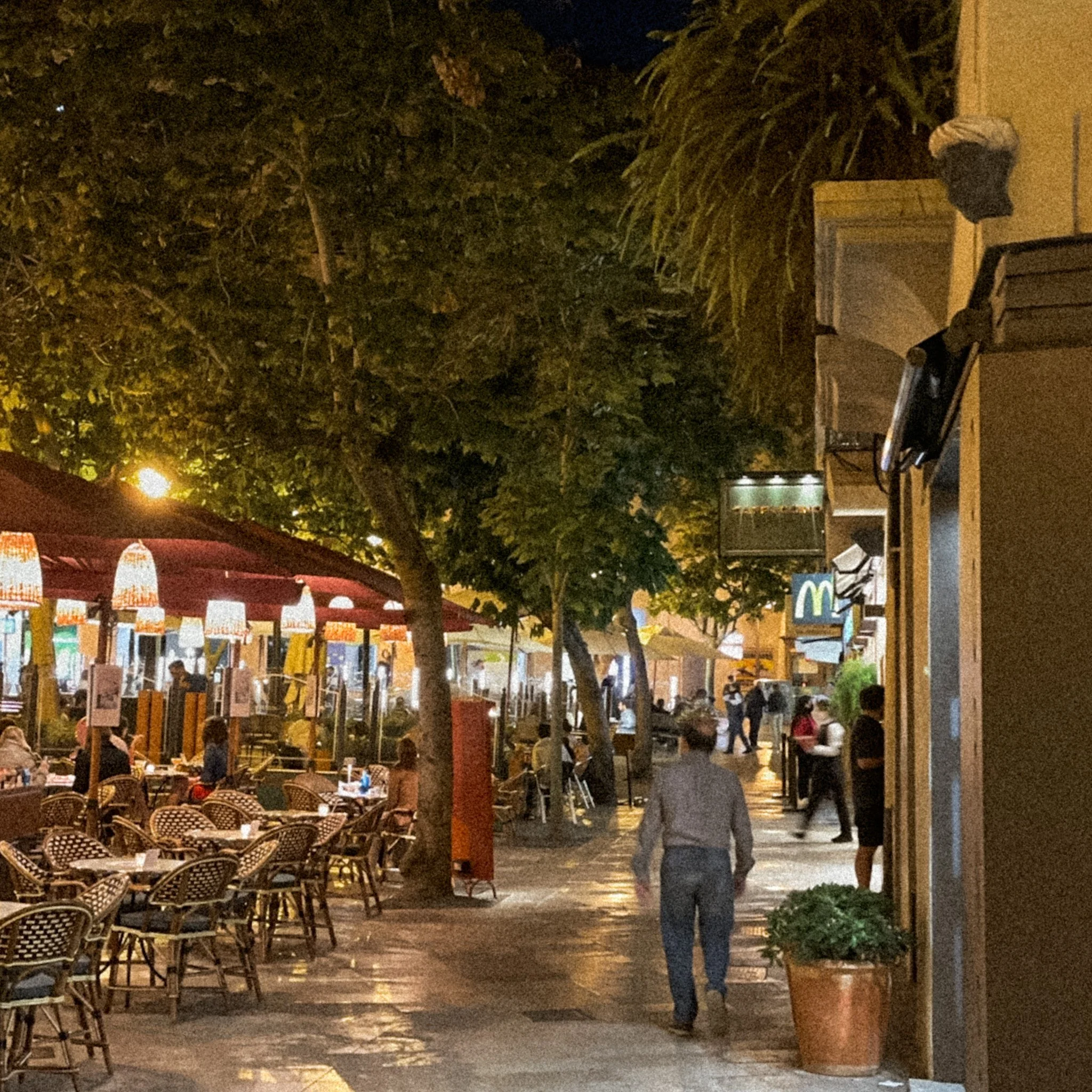
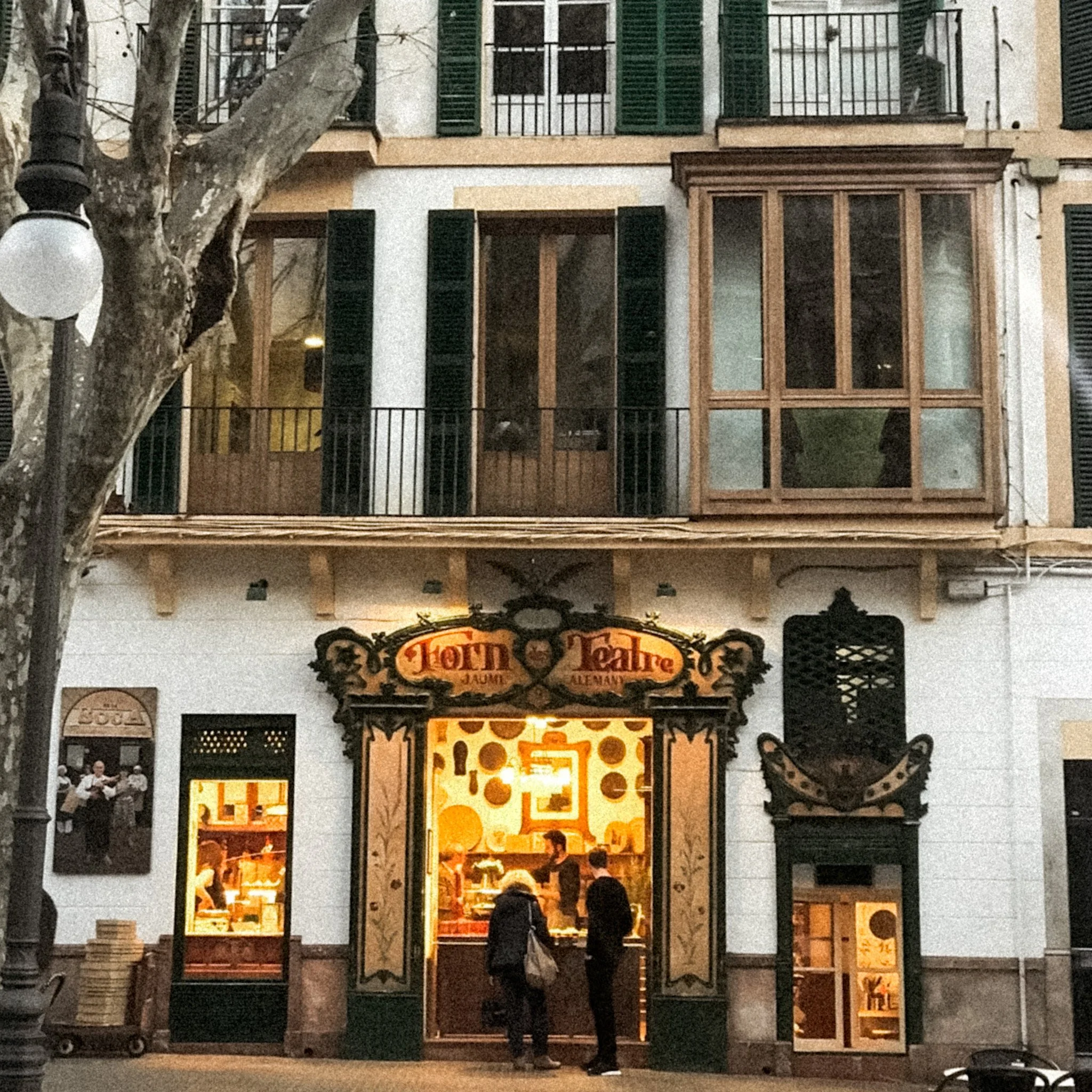
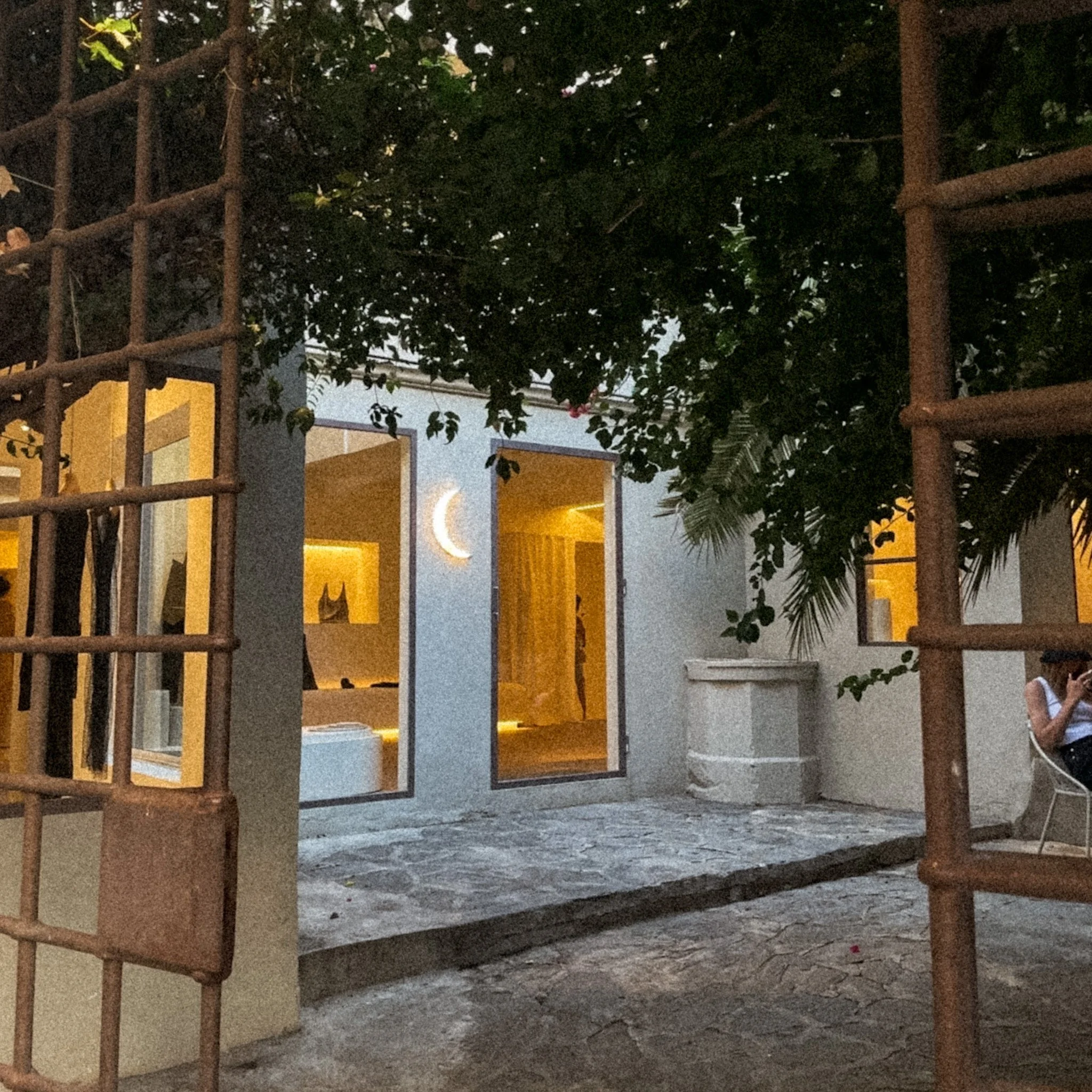
Any art-minded visit to Mallorca has to begin in Palma, and it has to begin with the Cathedral — La Seu. Whatever your relationship to religious architecture, this building operates on a different scale than belief. Its Gothic bones rise straight out of the sea wall, and inside, Gaudí's early-twentieth-century interventions and Miquel Barceló's ceramic mural in the Chapel of the Blessed Sacrament turn the whole nave into a kind of conversation between centuries. Go in the late afternoon, when the rose window throws color across the stone floor.
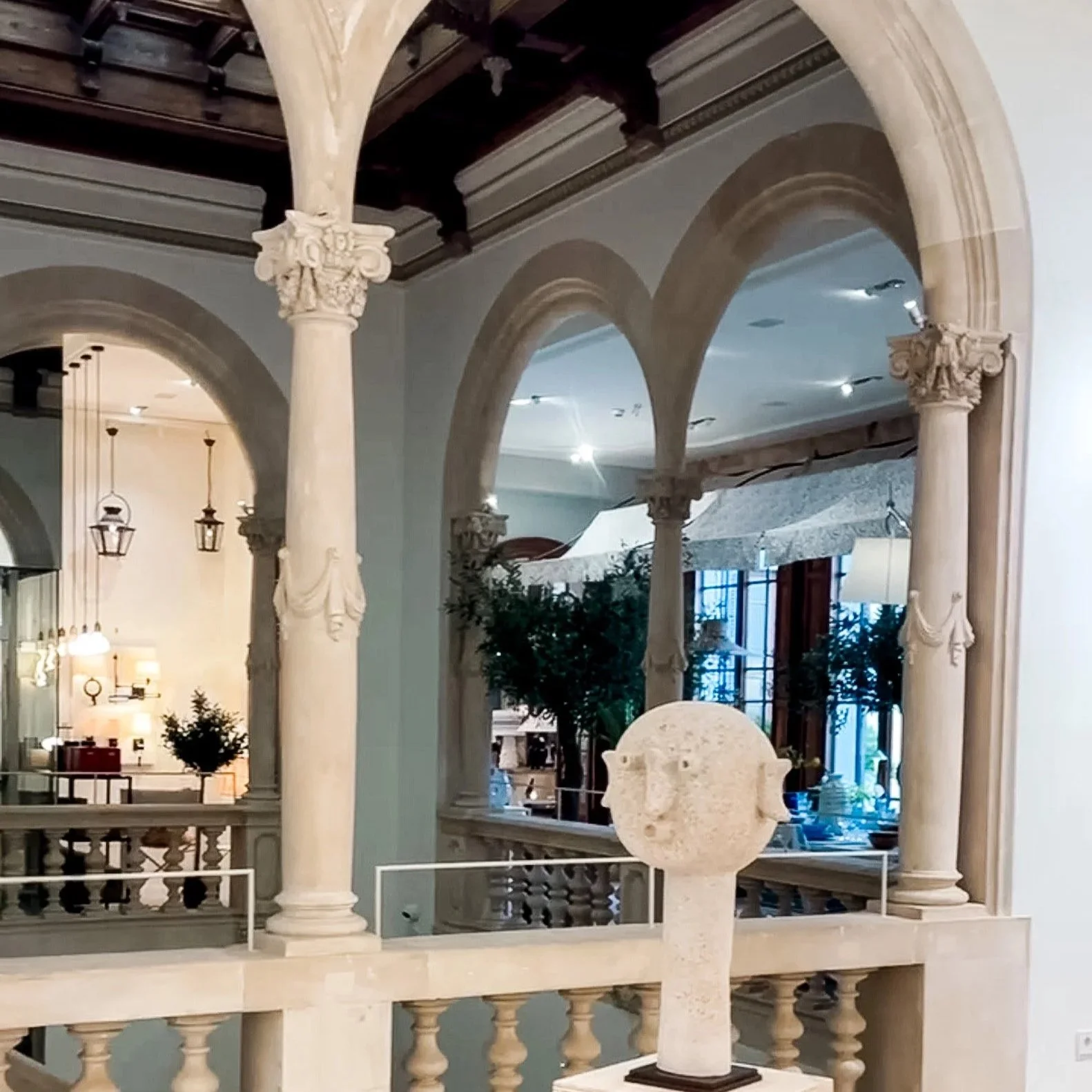
Rialto Living
A gallery, a concept store, a cute café, Rialto has it all.
From there, wander into the old town and let Rialto Living pull you in. It's ostensibly a concept store — furniture, textiles, books, a small café tucked in a restored townhouse — but it functions more like a curated exhibition of how Mediterranean design actually lives day to day. It's the kind of place that recalibrates your eye before you've even reached a museum.
Speaking of which: Fundació Miró Mallorca, out toward Cala Major, is essential. Miró spent his final decades on this island, and the foundation preserves his actual studio — brushes mid-stroke, canvases leaned against the wall as if he'd just stepped out. The Sert-designed building around it is worth the visit on its own terms, all raw concrete and filtered Mediterranean light.
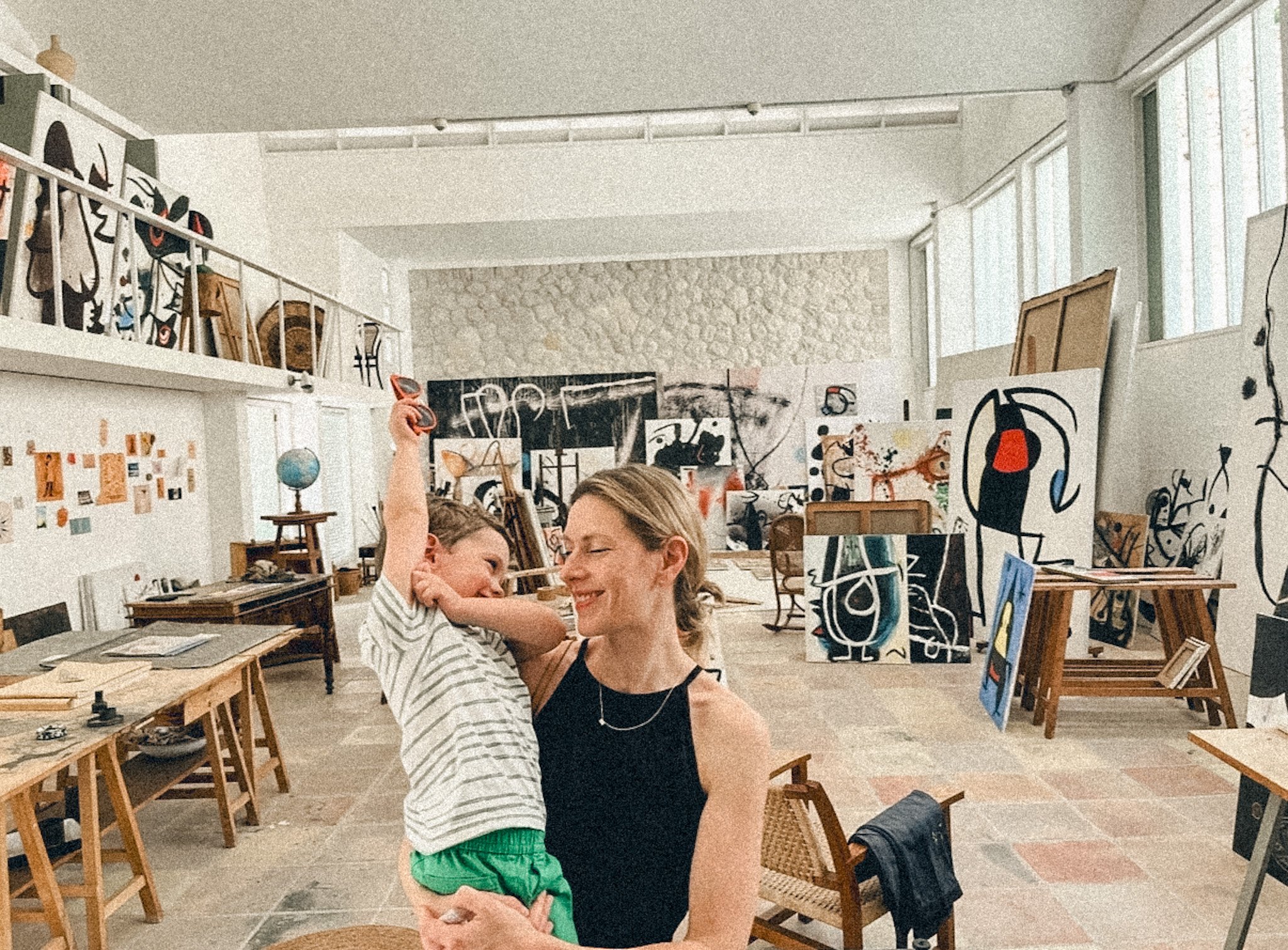
Fundació Miró
Miró spent many years in the island and his work can be found throughout Mallorca. His studio-museum in Palma is a gem.
Before you leave Palma, one more stop: Es Baluard, the city's museum of modern and contemporary art, built directly into the old Renaissance sea wall near Santa Catalina. The collection runs from Gauguin through Picasso and Miró to Barceló, but half the pleasure is architectural — ramps and skylights cut into centuries-old stone, and a rooftop terrace that looks out over the cathedral and the bay.
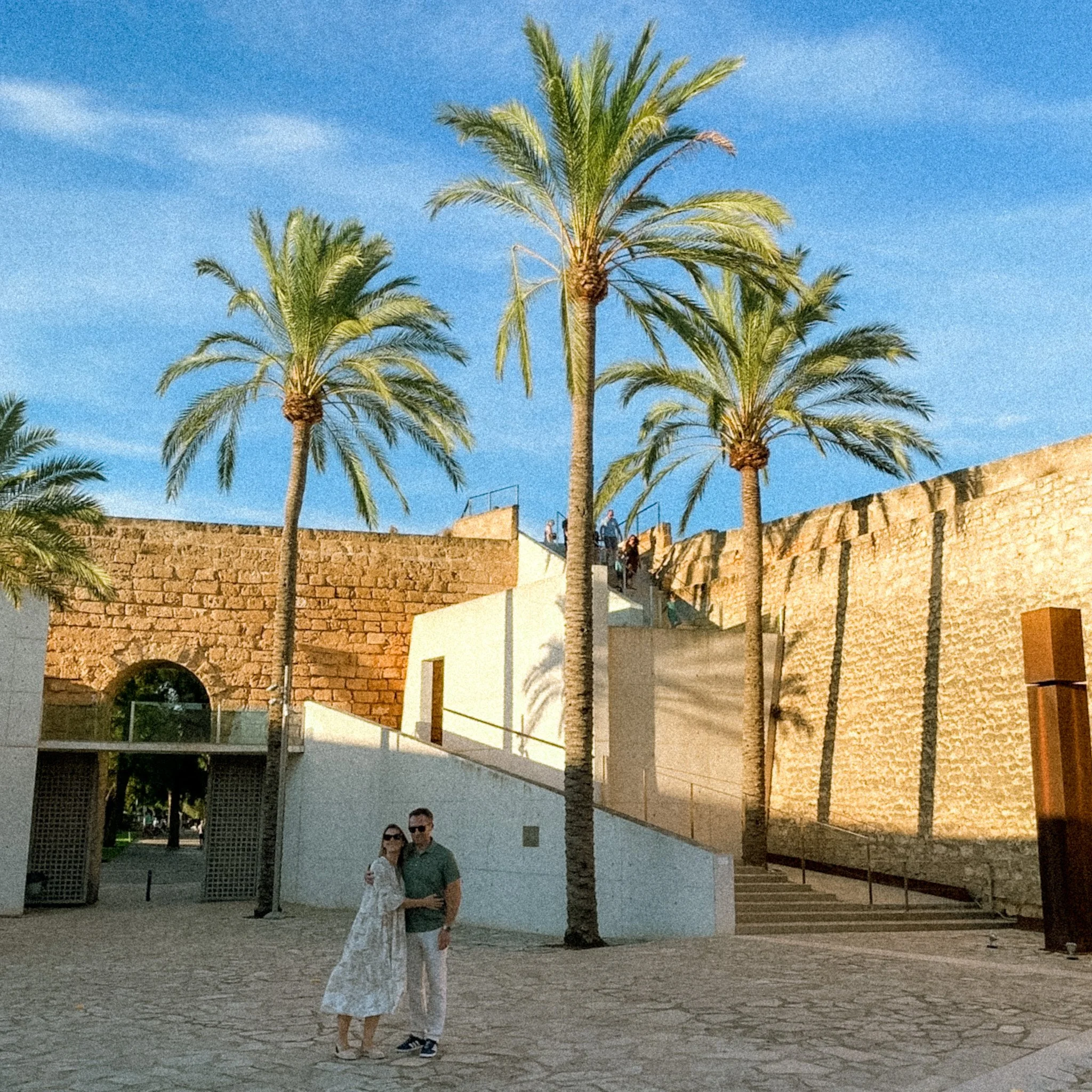
Es Baluard
Vince and I posing at the museum’s courtyard, its stone walls date back to roman times. Palma’s museum of contemporary art holds pieces by Picasso, Miró and an extensive collection of works by artists with ties to the Balearic Islands.
The Green Interior: Jardins d’Alfàbia
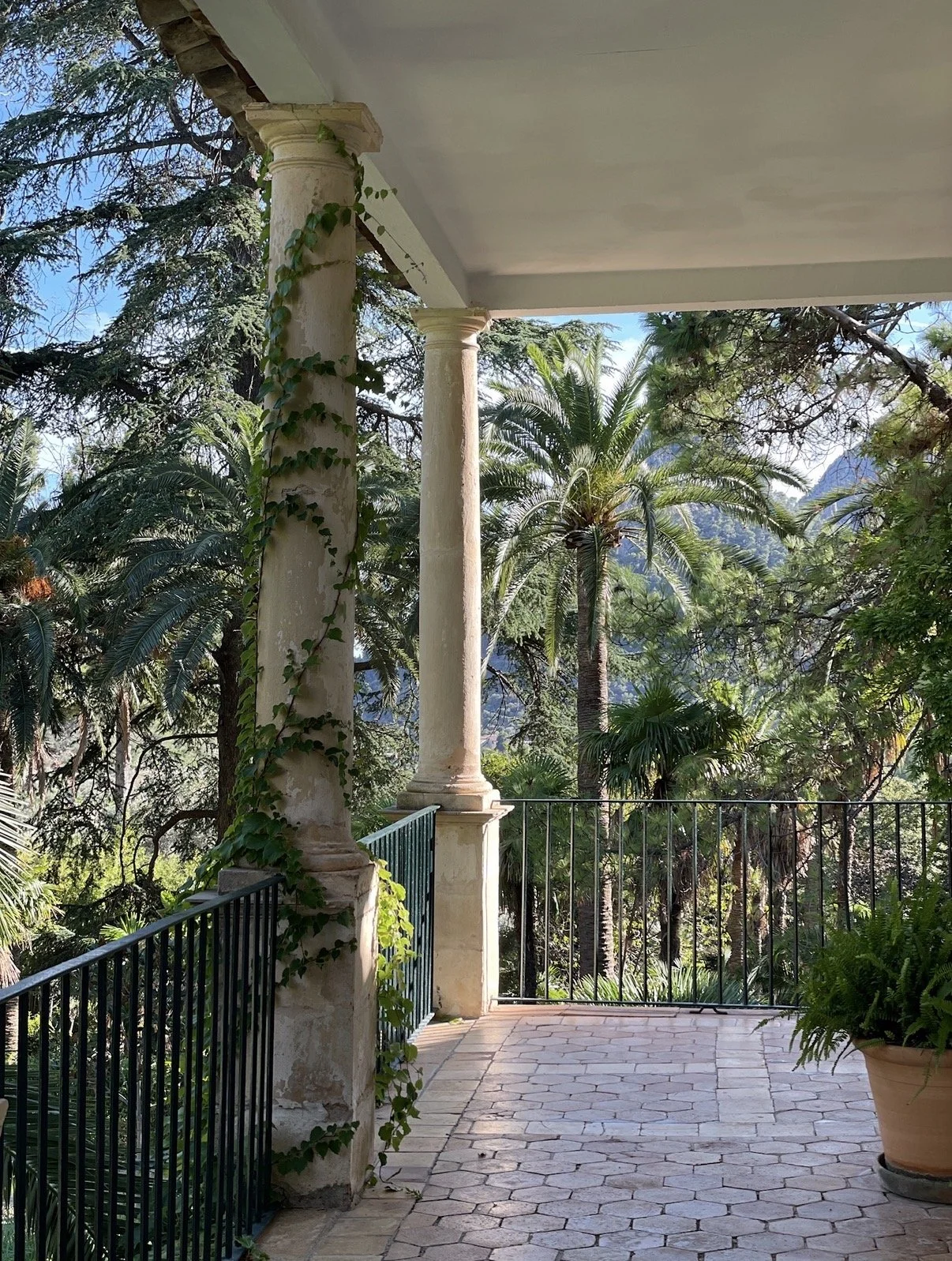
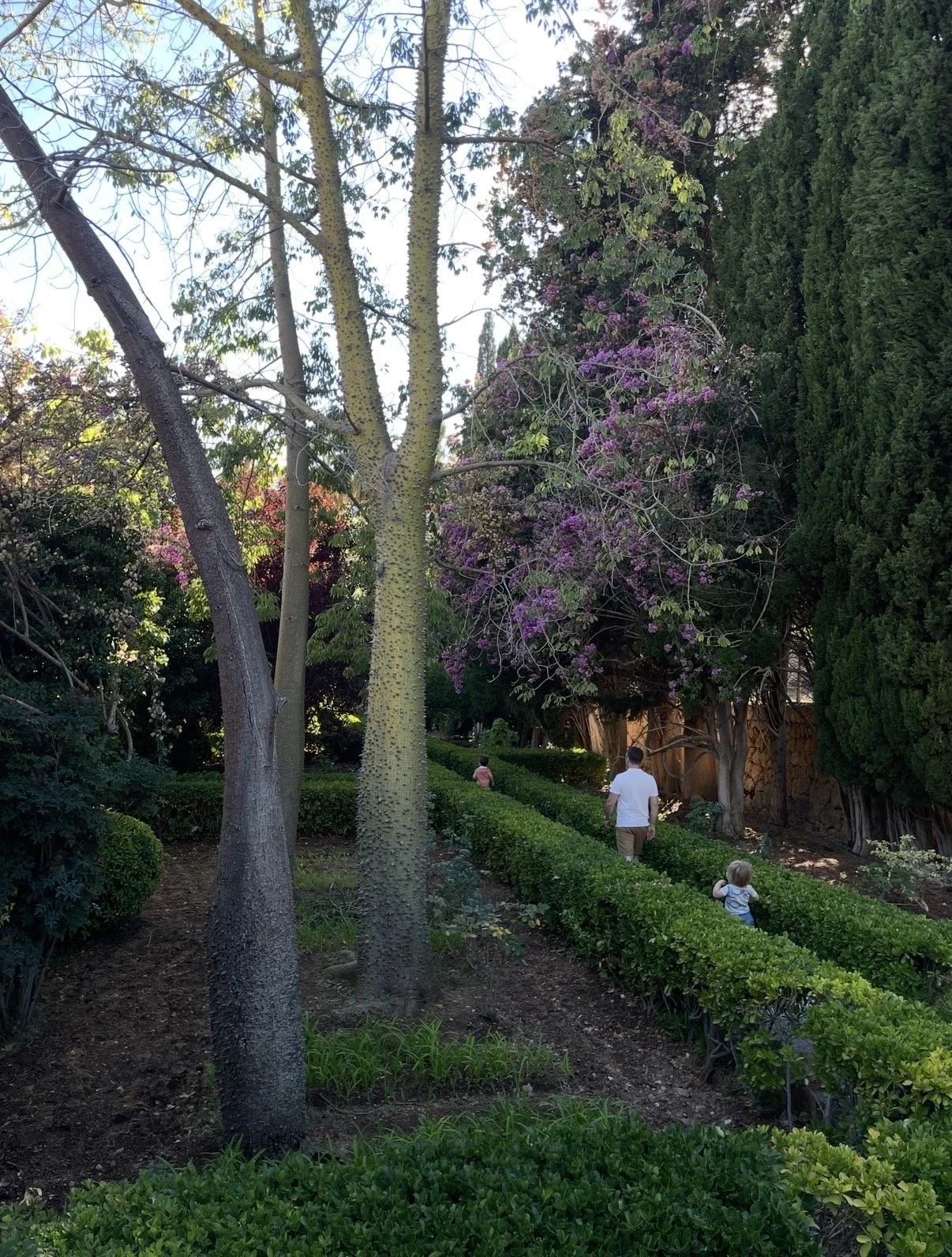
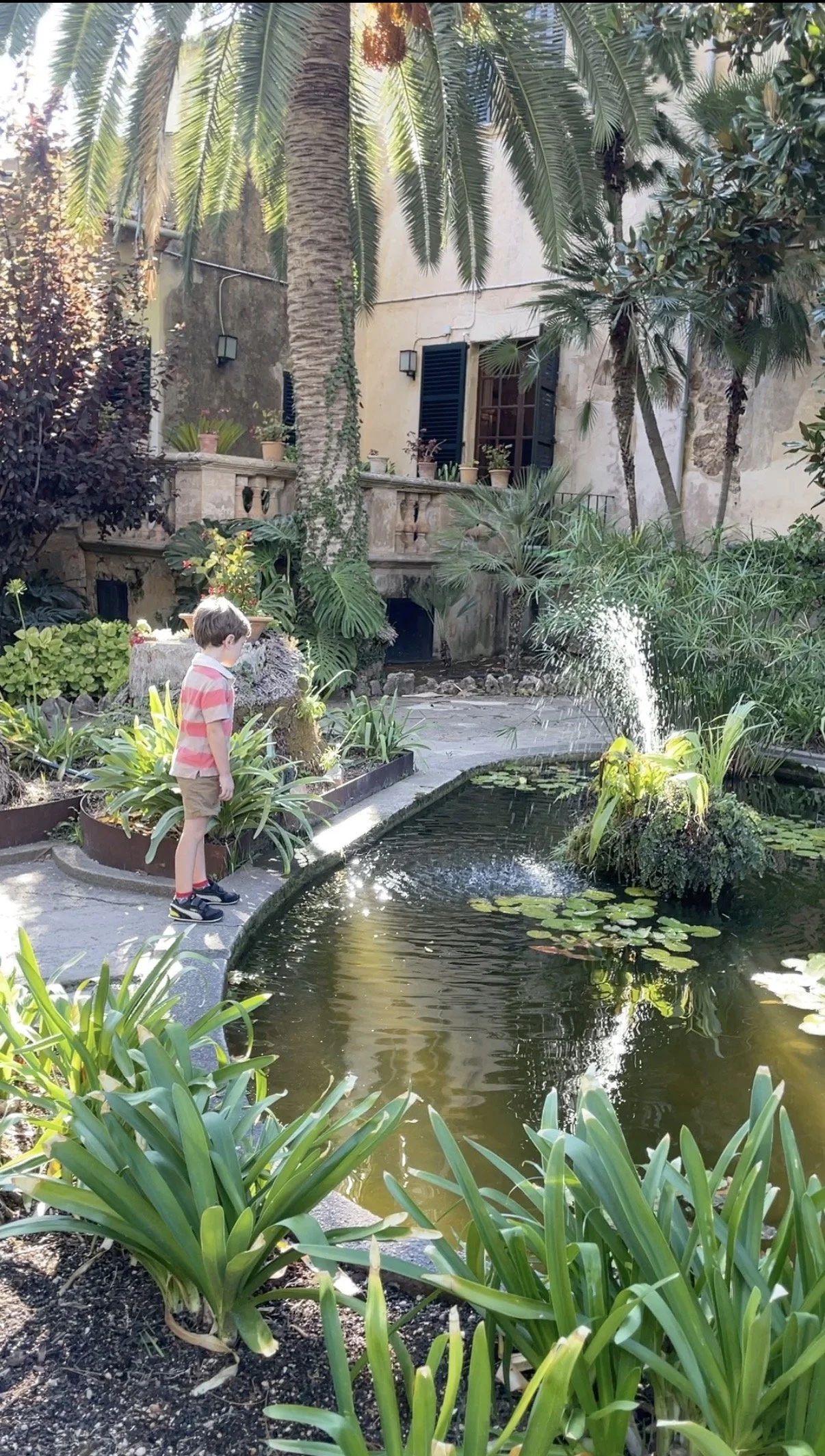
Before heading further afield, make time for the Jardins d'Alfabia, just outside Bunyola. This isn't a gallery in any conventional sense, but it's a work of art nonetheless, a Moorish-era garden of fountains, water channels, and towering palms that feels like walking through a manuscript illumination. The estate house holds furniture and decorative pieces spanning centuries of island life. It's a good midday stop: shaded, quiet, cooling.
Valldemossa and the Artists' Coast
No art-and-history route through Mallorca is complete without Valldemossa. The town's stone streets are reason enough to visit, but the real draw is the Real Cartuja de Valldemossa, a former Carthusian monastery where Frédéric Chopin and George Sand spent the winter of 1838–39. A small museum tucked into their old cell holds Chopin's own Pleyel piano, manuscripts, and letters from that stay, the same months that produced much of his Preludes. Sand later wrote about the winter, not always kindly, in A Winter in Majorca. Come for the music history, stay for the mountain views from the monastery gardens.
Serra de Tramuntana
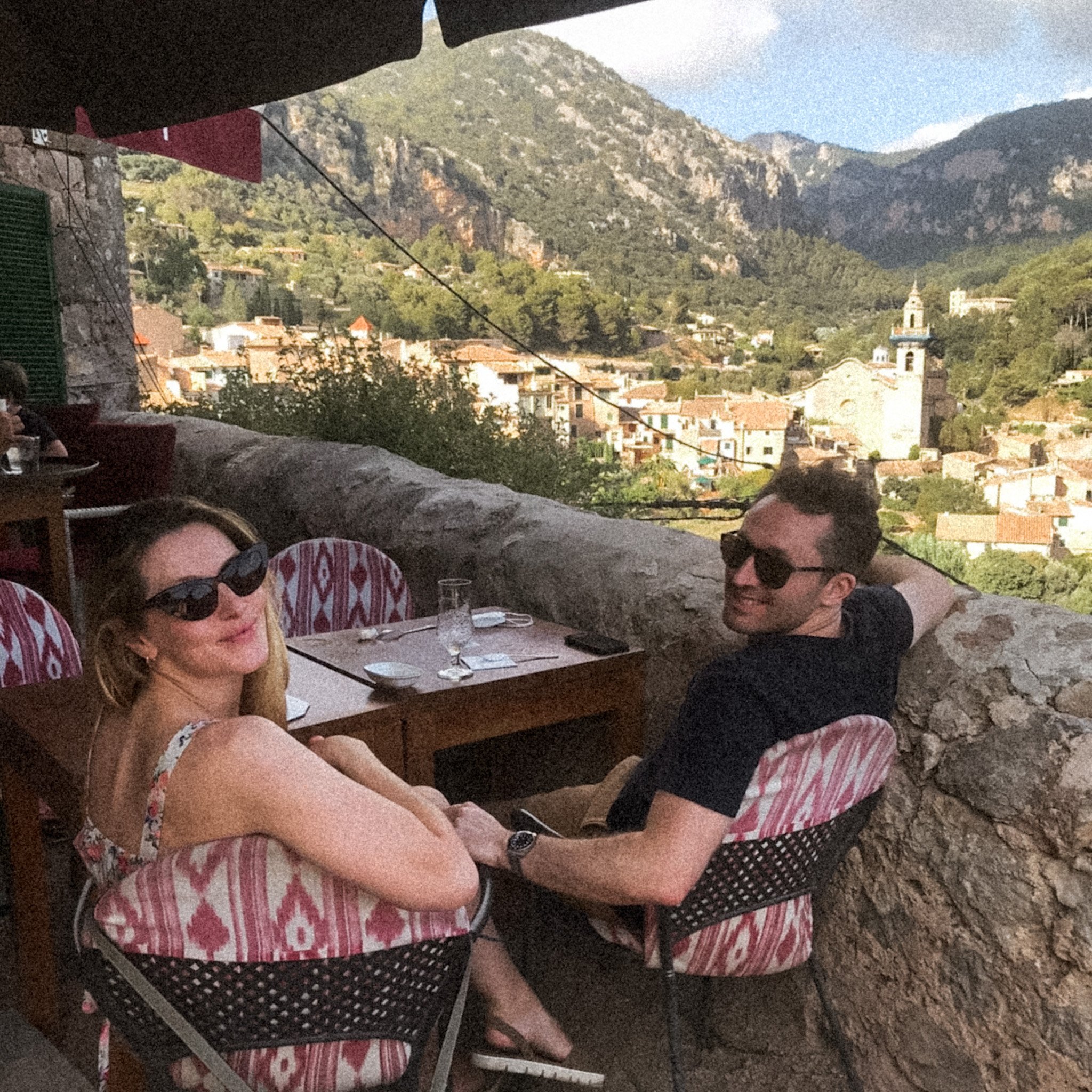
Vince and I love spending time in this part of the island. The views are stunning, the town is charming and every corner has something interesting to be discovered.
From there, the road winds on to Deià, a village that's been drawing writers and painters for a century. The poet Robert Graves lived here from 1929 until his death, and his house is now a small museum, his library, garden, and writing room open to visitors, overlooking the same Mediterranean that shaped decades of his work. Deià's own artist colony reputation still holds; galleries and studios are tucked into the hillside lanes.
Further along the coast, Sóller is worth the detour for Can Prunera, a beautifully restored Art Nouveau mansion turned museum, with a small but real collection that includes work by Miró and Klee. And just outside Alcúdia in the north, Sa Bassa Blanca, the Yannick and Ben Jakober Foundation's museum, is one of the island's stranger, more wonderful stops, an outdoor sculpture park of oversized granite animals, paired with an underground cistern gallery of children's portraits spanning five centuries.
Andratx
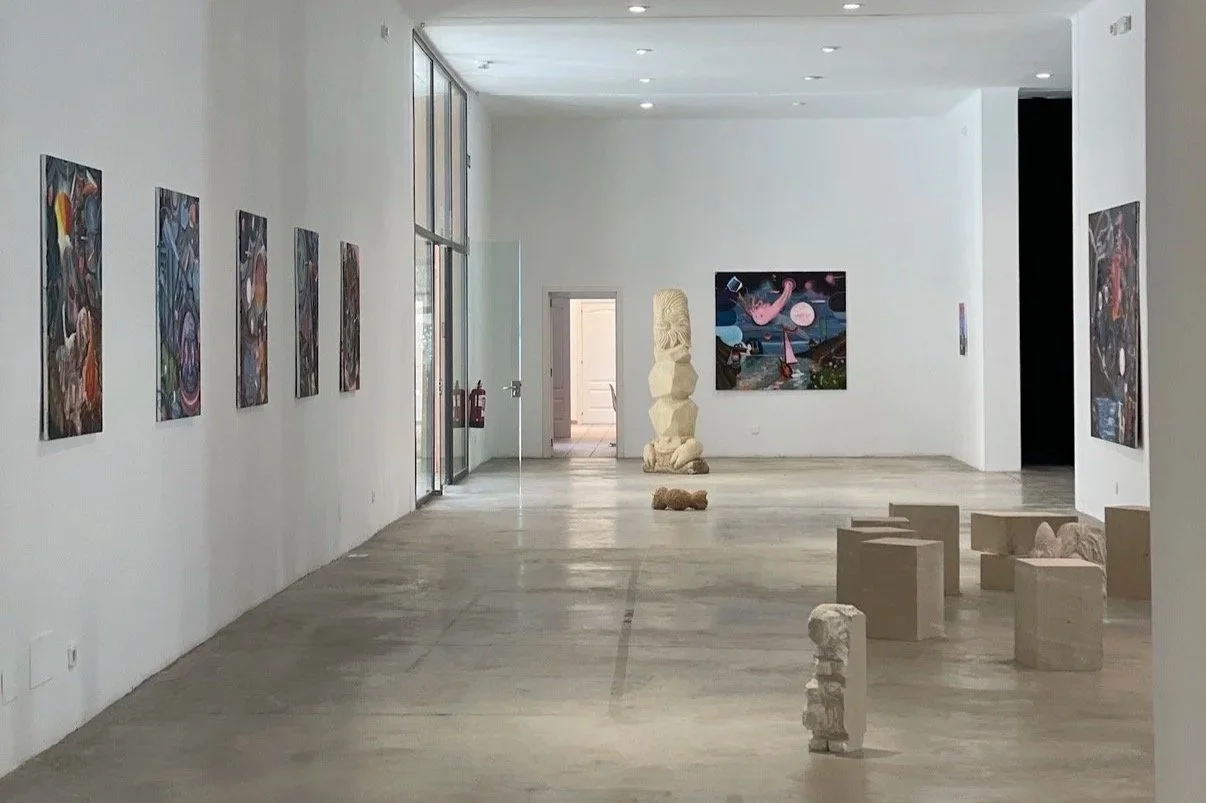
CCA Andratx is one of the island's most serious contemporary art spaces — a sprawling complex of studios and galleries set against the Tramuntana mountains, with a rotating program of international artists in residence.
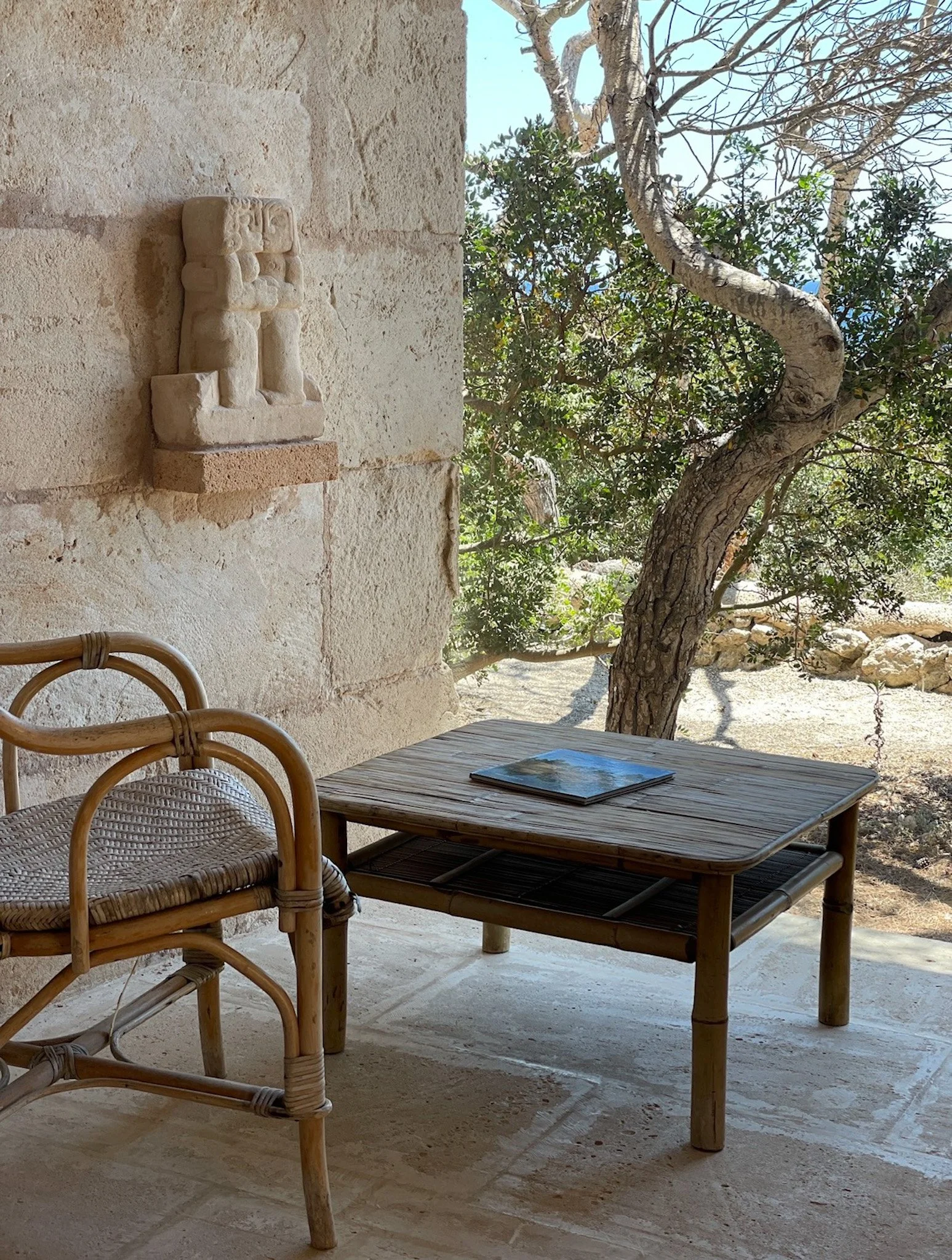
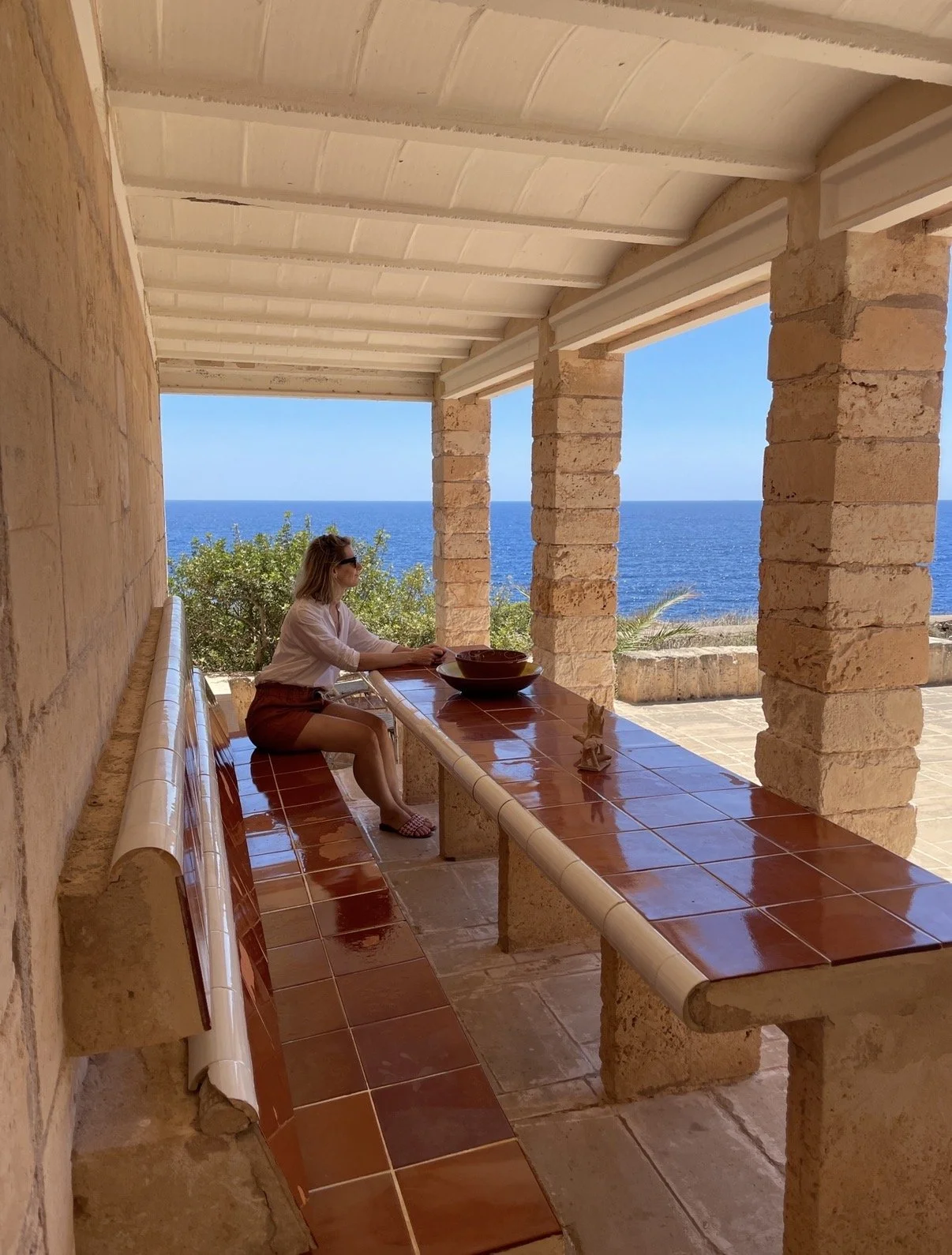
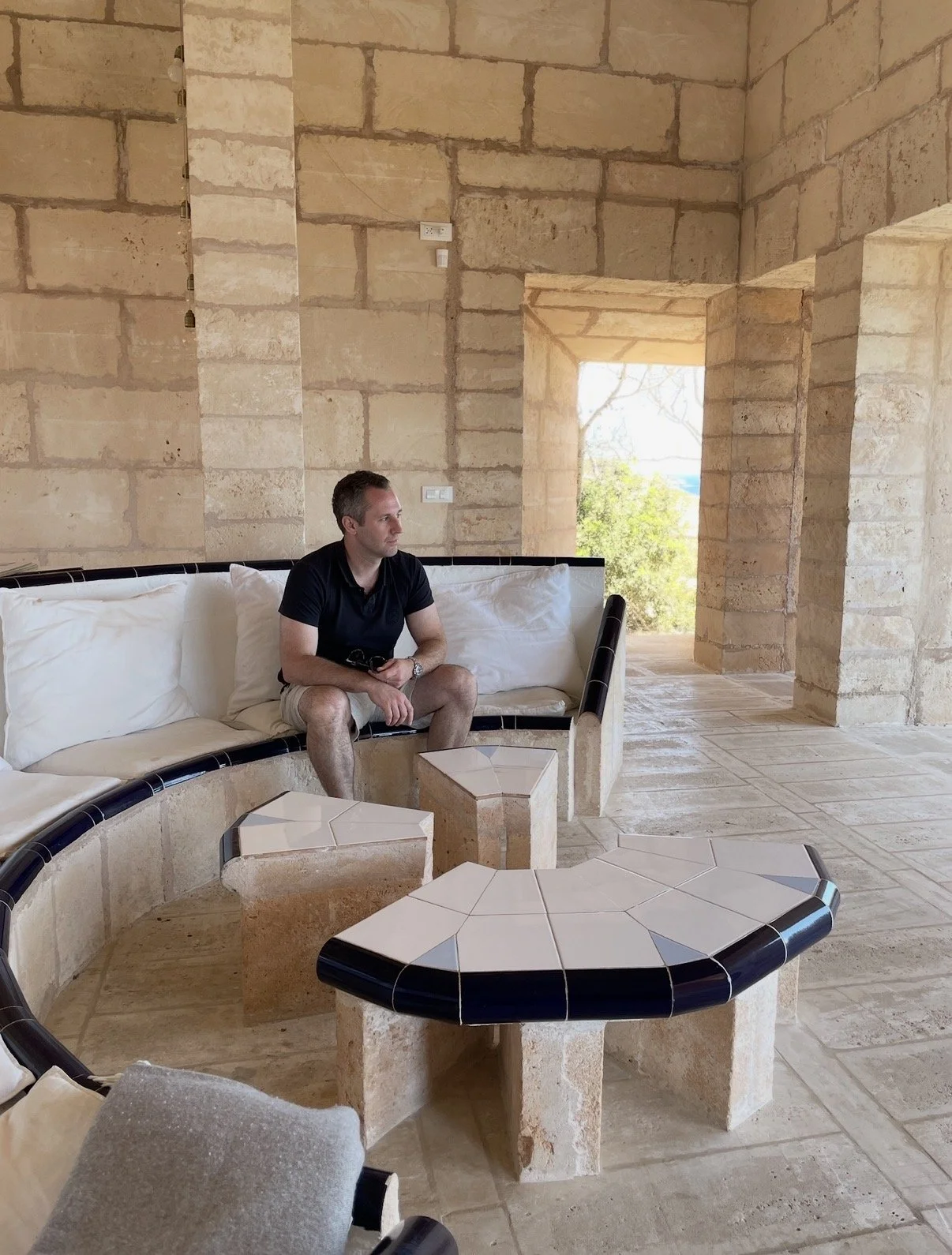
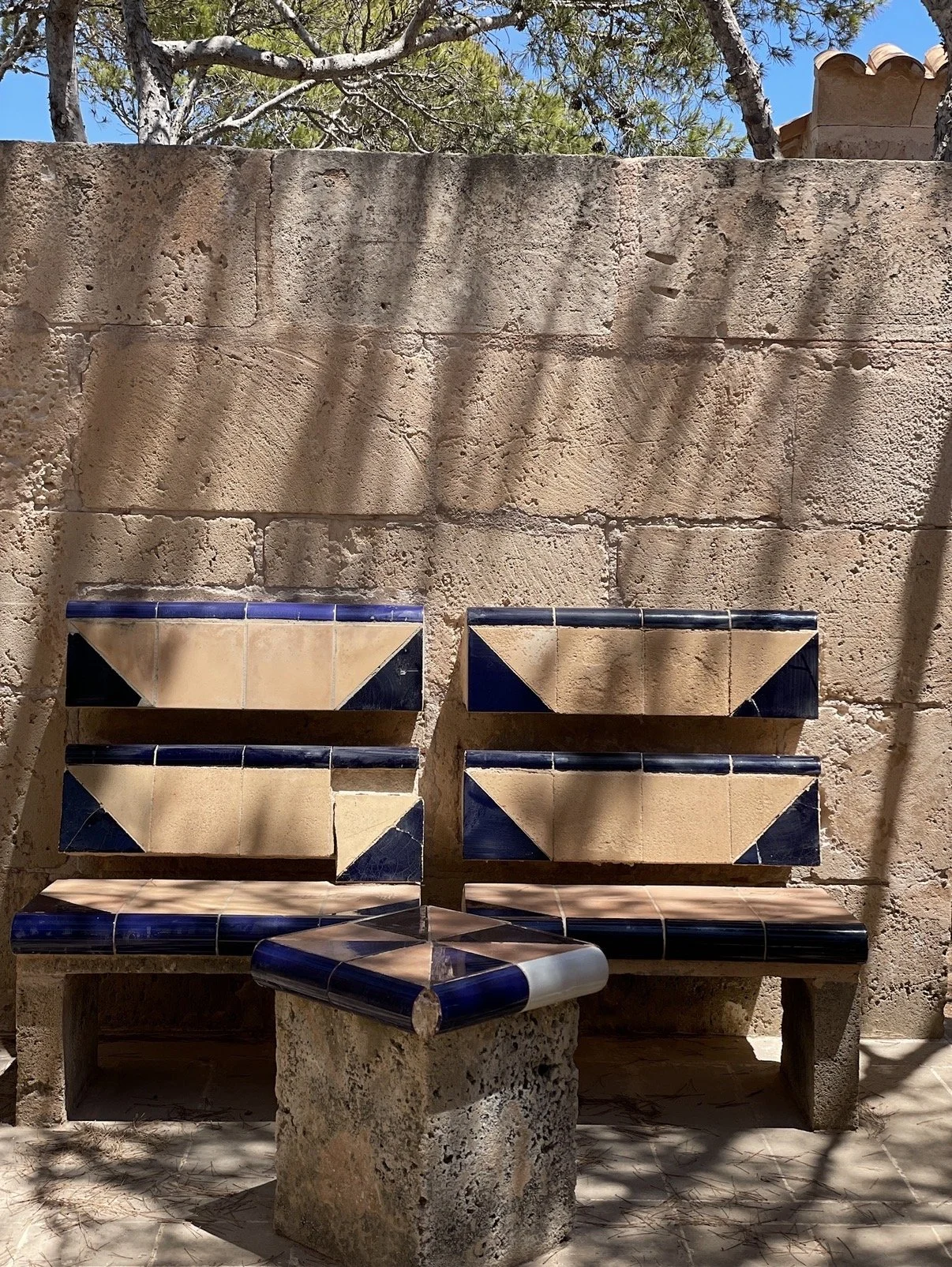
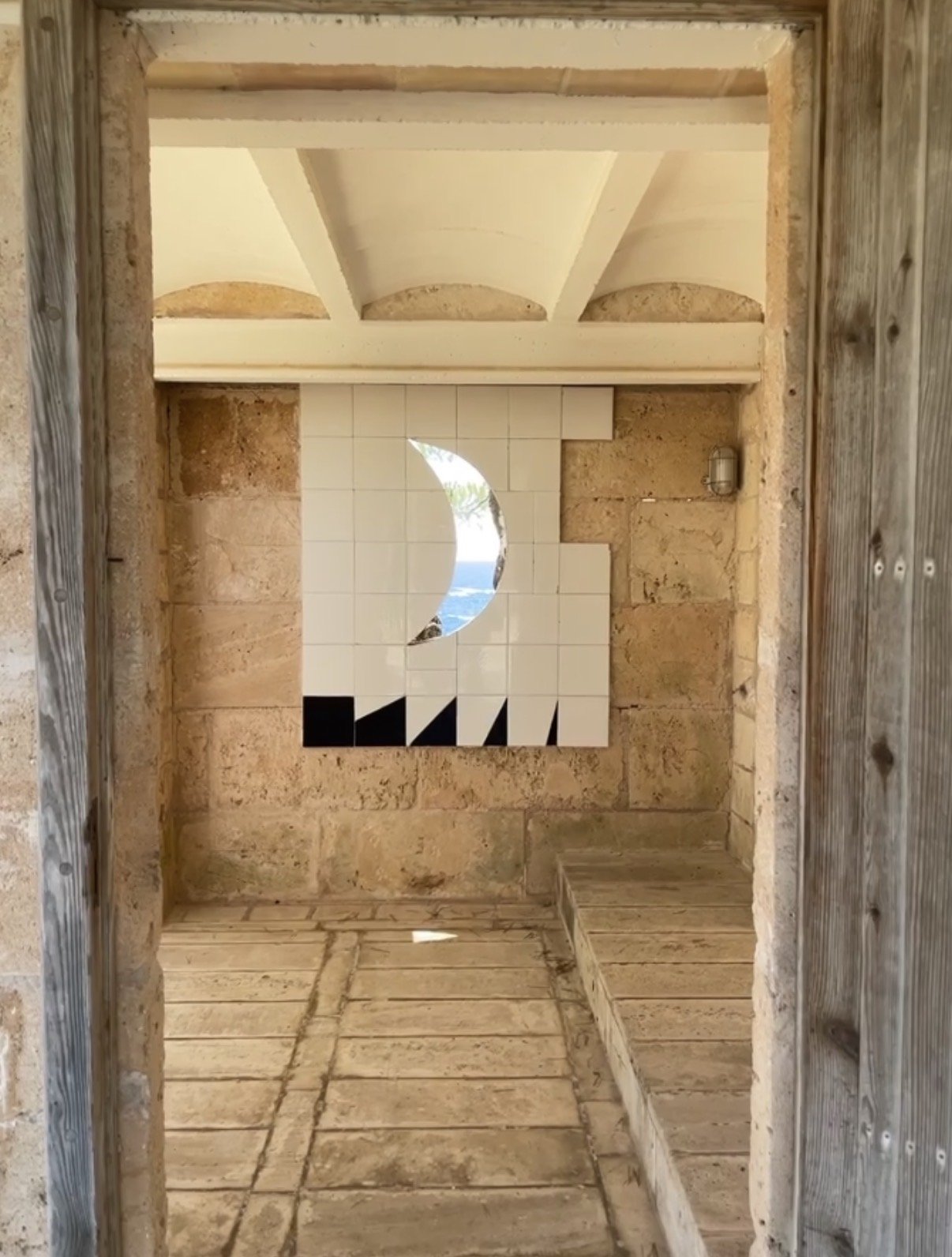
On the other side of the island, sits Can Lis, architect Jørn Utzon's own house, built from local marés and Santanyí sandstone, now restored and open to visitors as an artist's refuge. It's one of the most quietly radical buildings on the island: low, stone-walled, oriented entirely around the sound and light of the sea. If art-and-architecture pilgrimages are your thing, this belongs on the list.
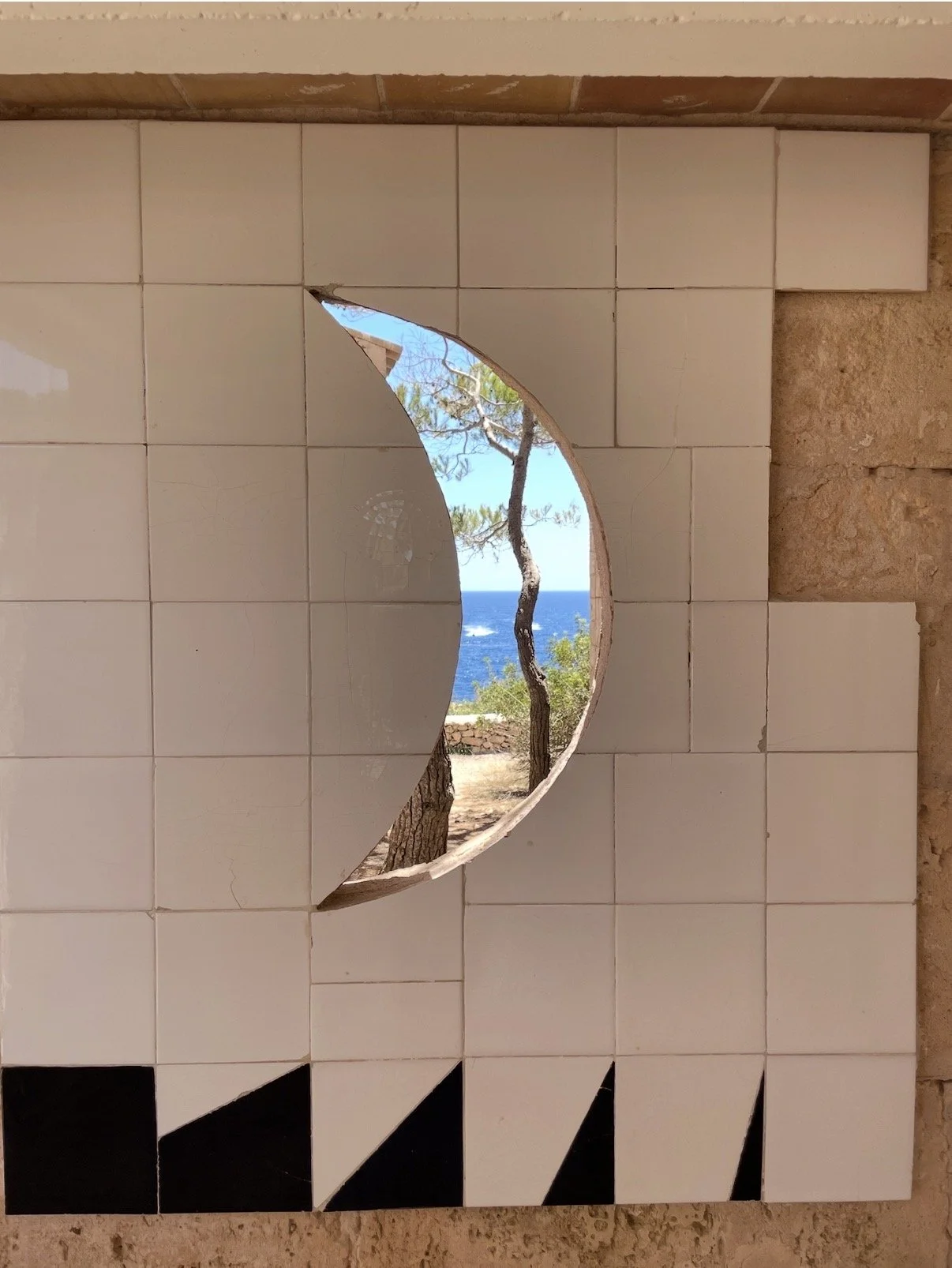
Can Lis
One of my favorite places in the island. It opens the sea and the elements and its purely hand made materials ground you and invite you to ponder and meditate. Open to the public only selected dates, check their website before visiting!
North to Pollença
Pollença rewards slow wandering. The town has long drawn painters — you can feel why the moment you're standing in its narrow stone streets with the Puig de Maria rising behind them. Galeria Maior has built a reputation for serious, thoughtful contemporary programming in a town that could easily coast on postcard charm instead. Climb the Calvari steps at golden hour, then spend the evening drifting between the small galleries clustered near the main square — Pollença's art scene is compact but genuinely substantive, not decorative.
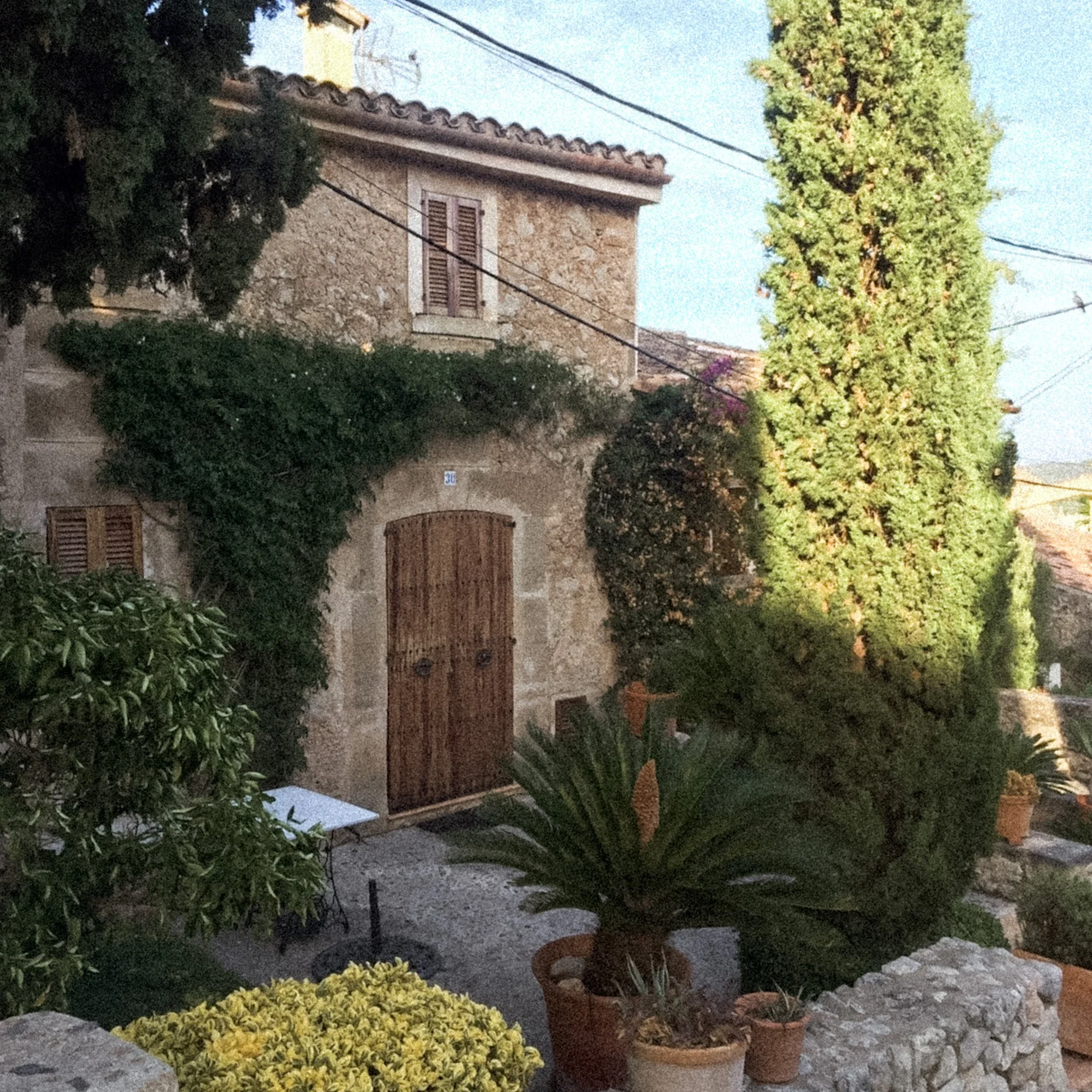
Climbing El Calvari
Charming little homes line the steps up to El Calvari. I remember climbing up these steps when pregnant with my breech baby, in hopes that divine intervention would turn him around. Sadly that didn’t work, but the walk was lovely nonetheless!
The Southeast: Ses Salines and Santanyí, Working by Hand
The southeast corner of the island moves differently, sun-bleached stone towns, salt flats, a slower rhythm. Santanyí has become something of an unofficial artisan capital: ceramics studios, small independent galleries, and shops selling handwoven textiles and leather goods line its market-day streets. It's the kind of town where you duck into a doorway because something caught your eye and emerge forty minutes later having met the person who made it.
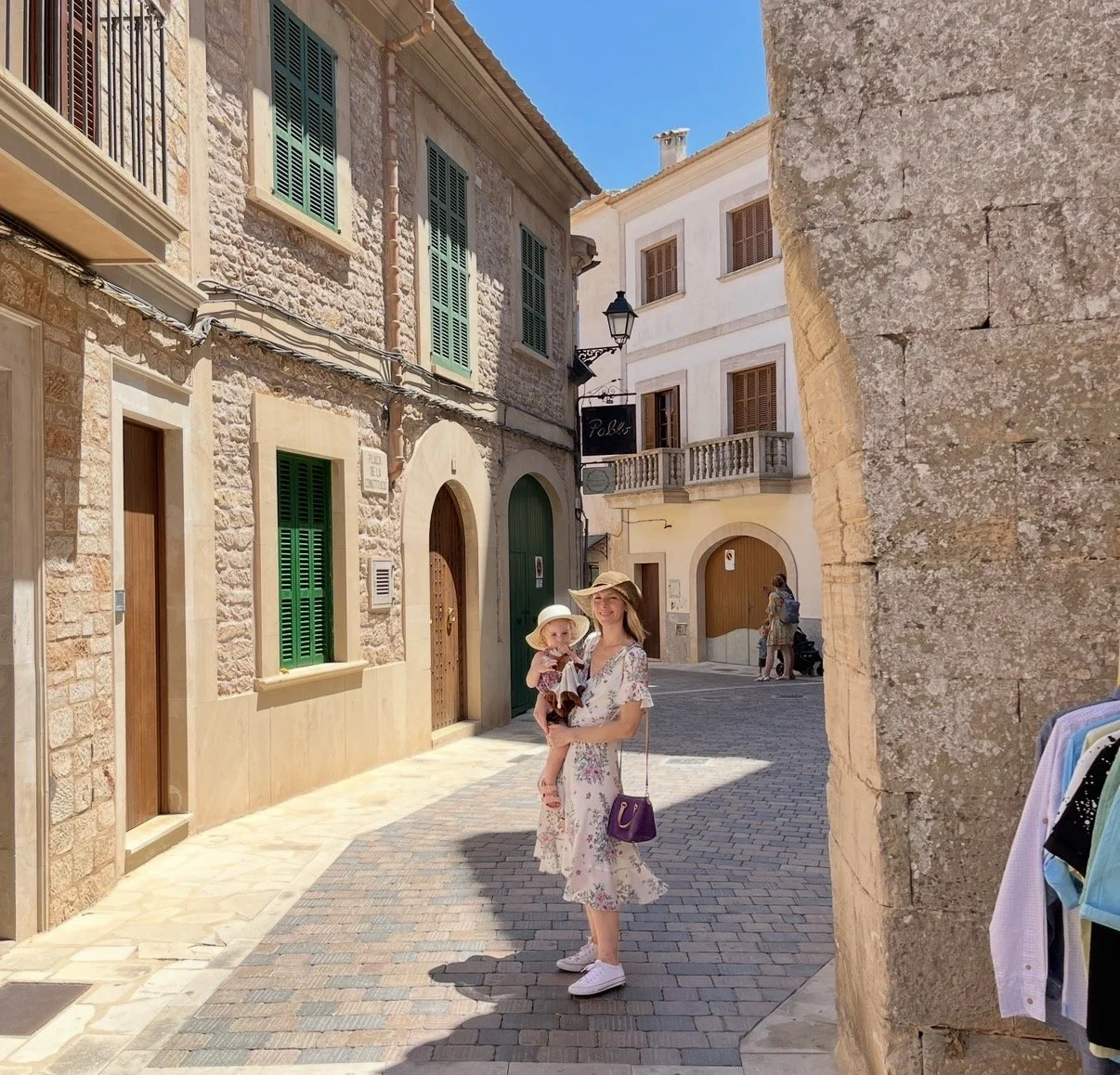
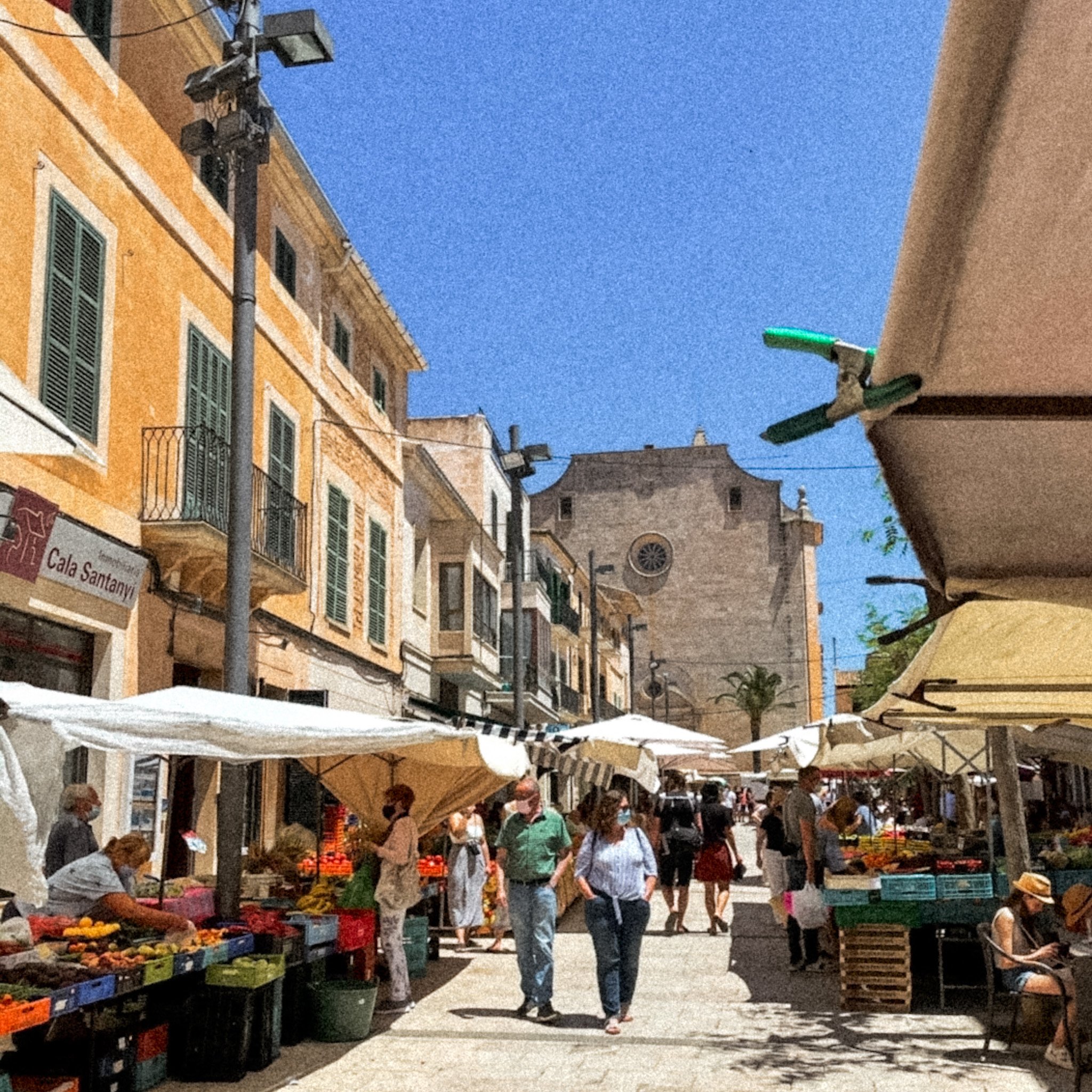
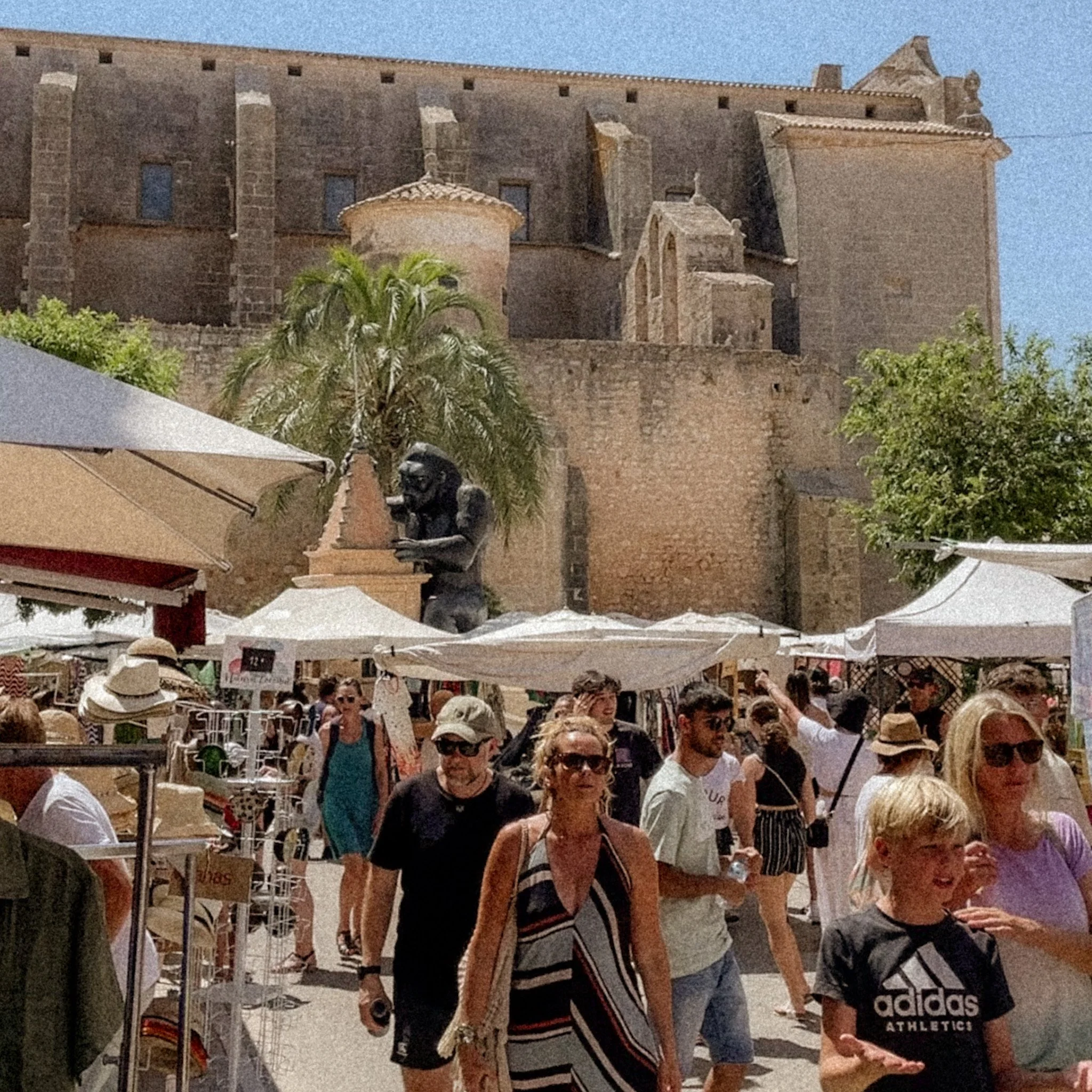
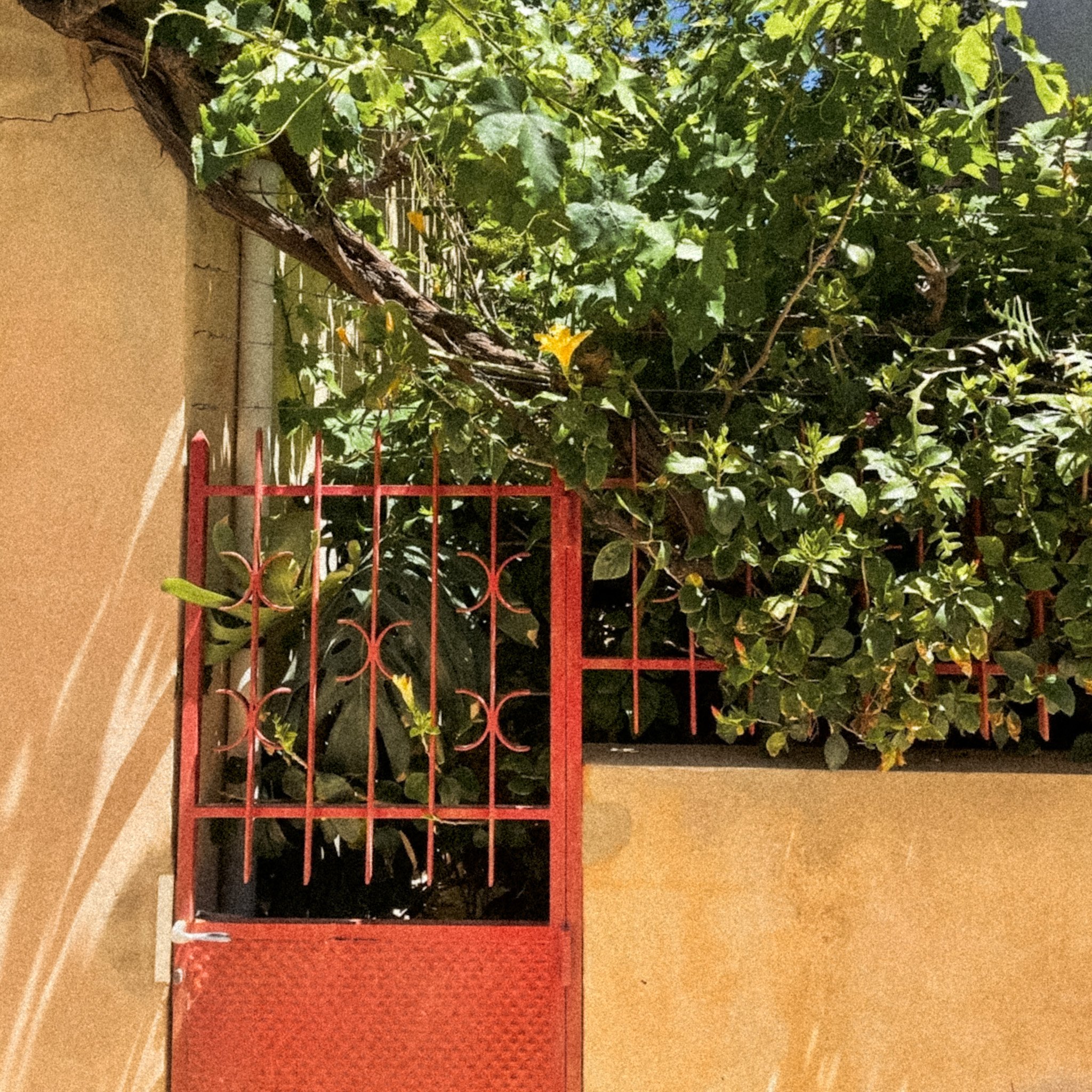
Ses Salines, nearby, carries a quieter version of the same spirit — smaller, less touristed, with workshops producing pottery and woven goods rooted in the island's rural traditions. Between the two towns, you get a real sense of Mallorca's craft lineage, the kind of making that predates the word "artisanal" as a marketing term.
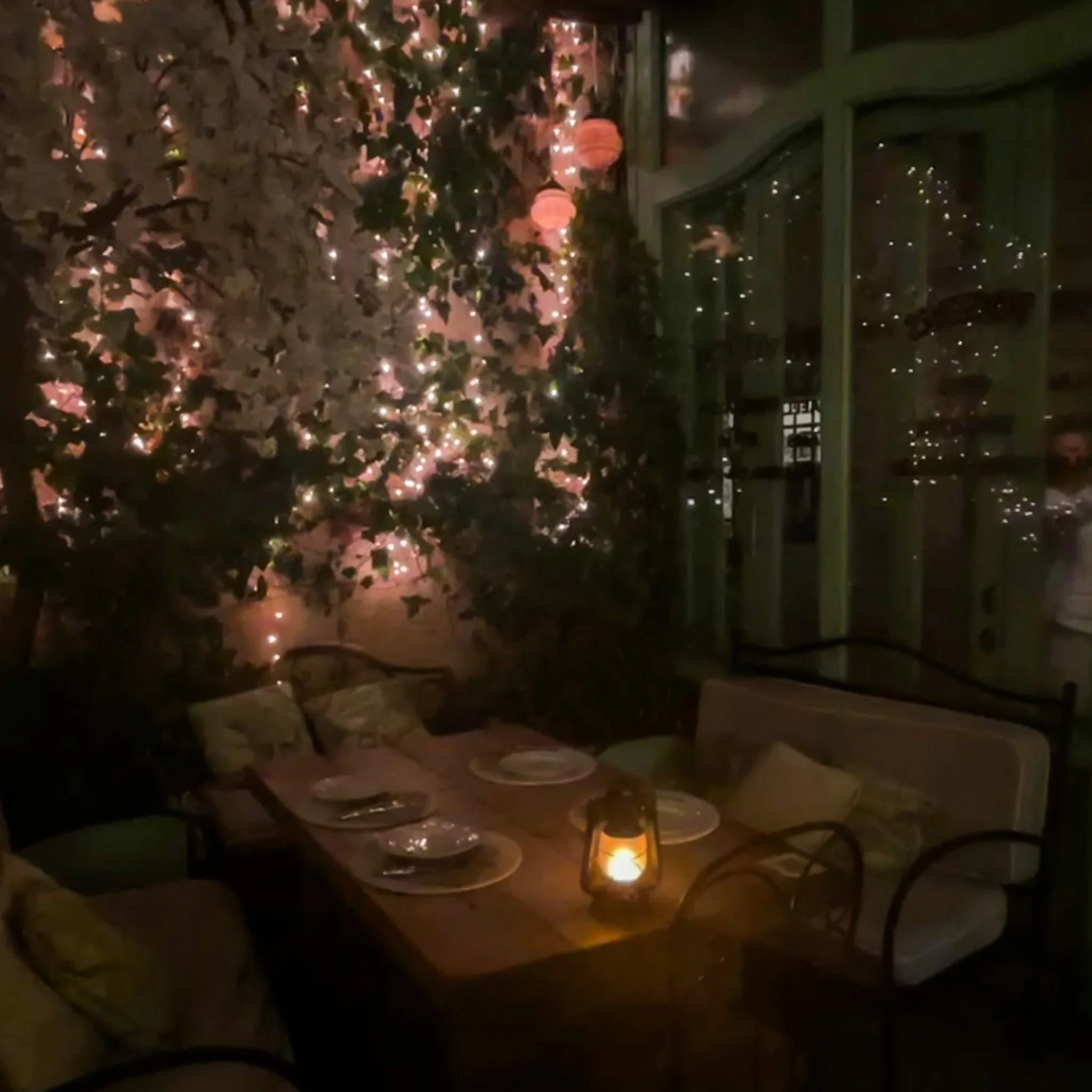
Dining at romantic inland towns
Vince and I love visiting sleepy, inland towns for summer nights sin niños.
The Night Everything Opens: Nit de l'Art
If you can time a visit for mid-September, do it. Nit de l'Art — Palma's Night of Art — turns the old town into a single open-air gallery for one evening. Dozens of galleries and cultural spaces throw their doors open for free, staying lit until nearly midnight, with cava poured generously and the streets themselves becoming part of the exhibition. It's been running since the late 1990s, organized by the city's contemporary gallery association, and it remains the clearest expression of how seriously Palma takes its art scene — not as a tourist amenity, but as something the city does for itself, once a year, at full volume.
Mallorca rewards the kind of attention you'd give a painting — not a glance, but a stay. Slow down, and the island shows you its actual face.