3 Artists Who Have Shaped My Work
There are a few artists whose work I return to whenever my own practice gets in its way. I have always been drawn to figurative abstraction, an artistic language that blends recognizable silhouettes with distorted shapes, colors, and brushstrokes.
But after a lifetime of training myself to observe and reproduce images with realistic scale and color, an internal tension often arises. One part of me wants to remain faithful to reality, while another is looking to break free, to create images where the conventions of scale and color can be challenged.
When this internal conflict emerges, I look to the understanding and inspiration of artists who came before me, artists who walked the walk and pushed these boundaries in their own work.
These are my top five:
Clementine Hunter (1886/87–1988)
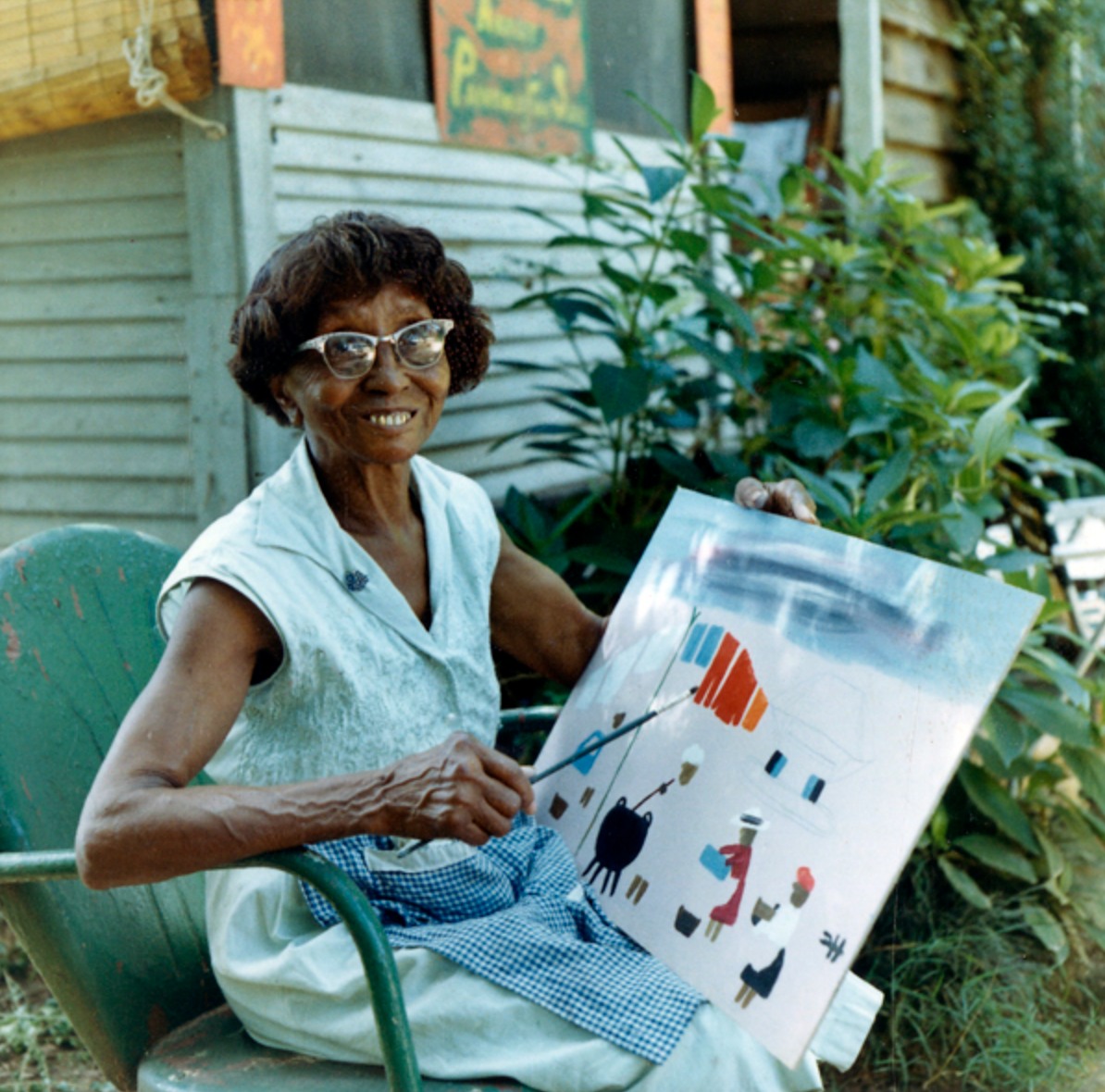
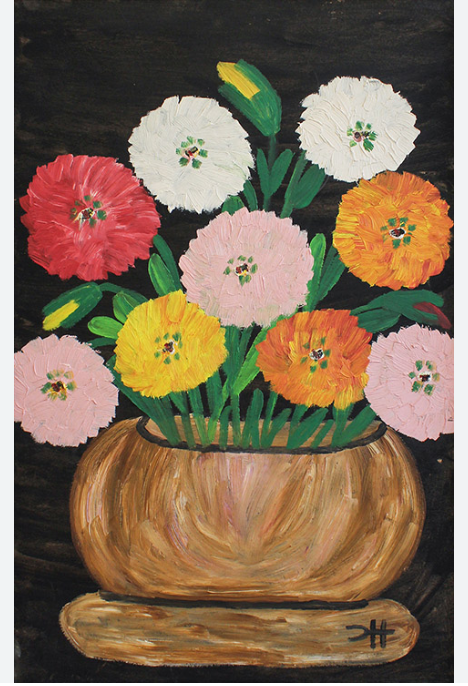
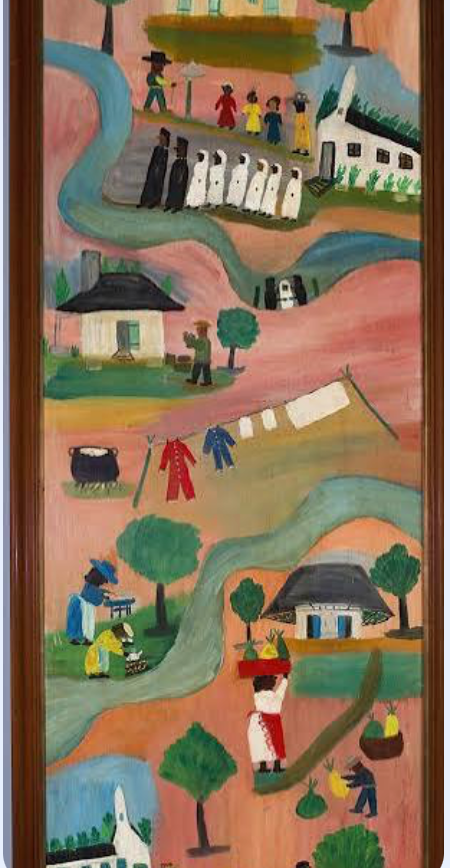
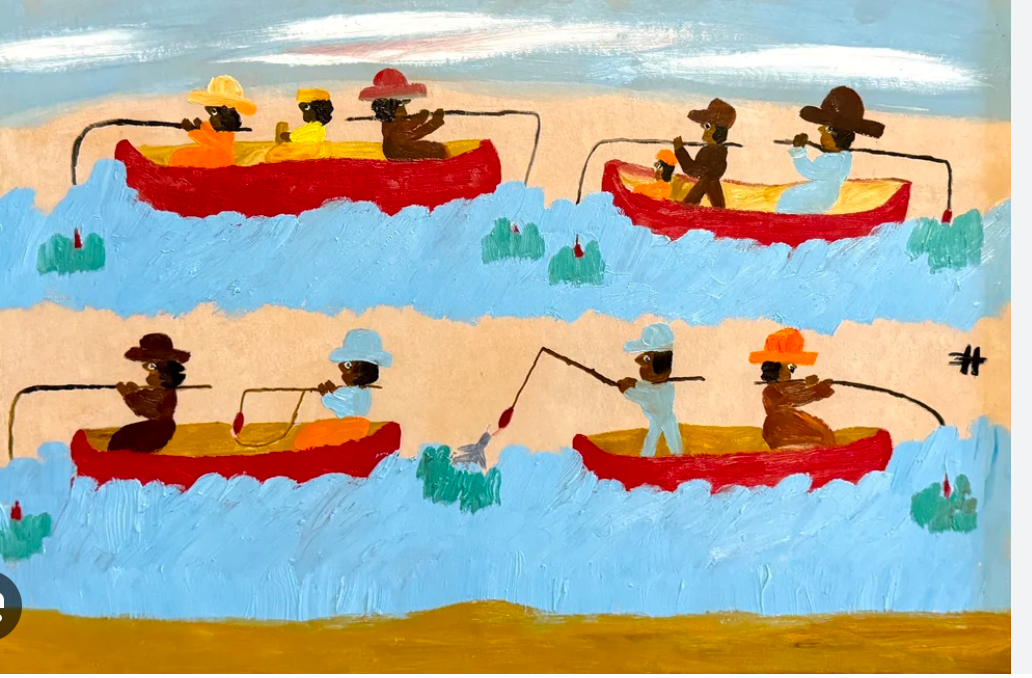
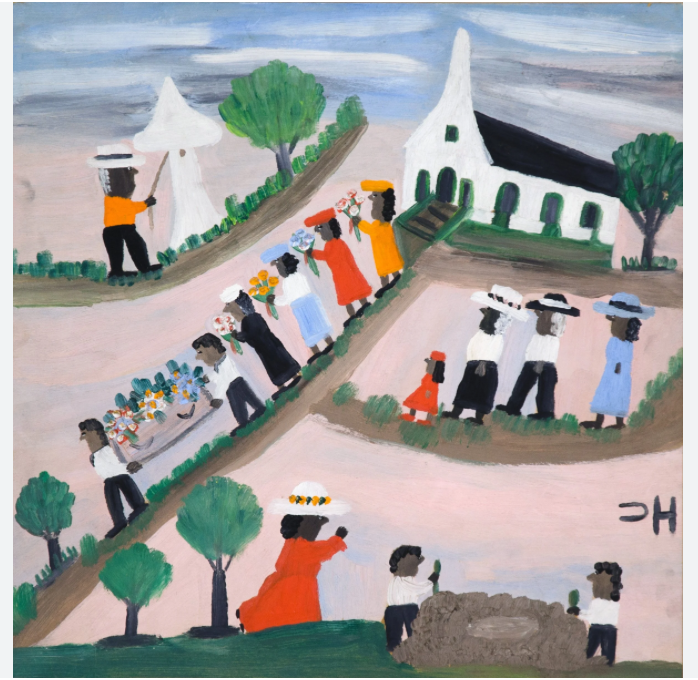
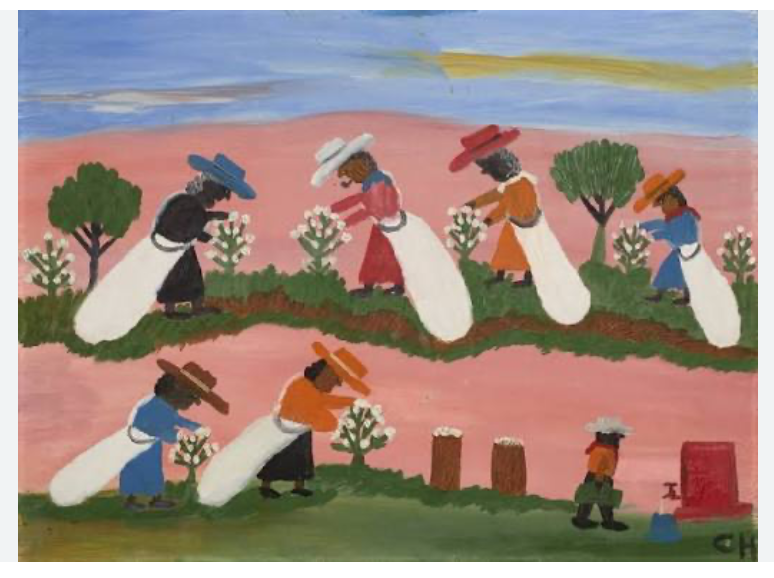
Clementine Hunter started painting in her fifties with whatever materials she could get her hands on. I am extremely drawn at her use of color and composition, and the simplicity in her work, she was a master at storytelling.
Her paintings are often described as naïve or folk art because of their simplified figures, flattened perspective, bold colors, and disregard for conventional scale. But their simplicity is precisely what gives them their power. Hunter painted from memory, transforming the world she knew into vivid compositions filled with people, movement, and ritual. She depicted baptisms, weddings, funerals, cotton picking, washing clothes, dancing, quilting, and other scenes from everyday life in the Cane River community.
2. Maria Helena Vieira (1908–1992)
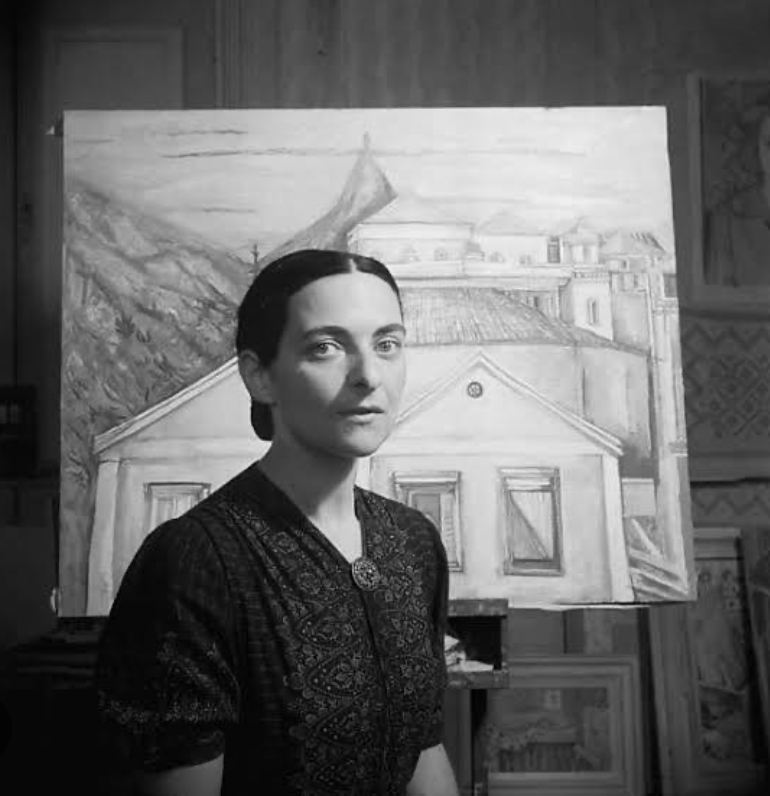
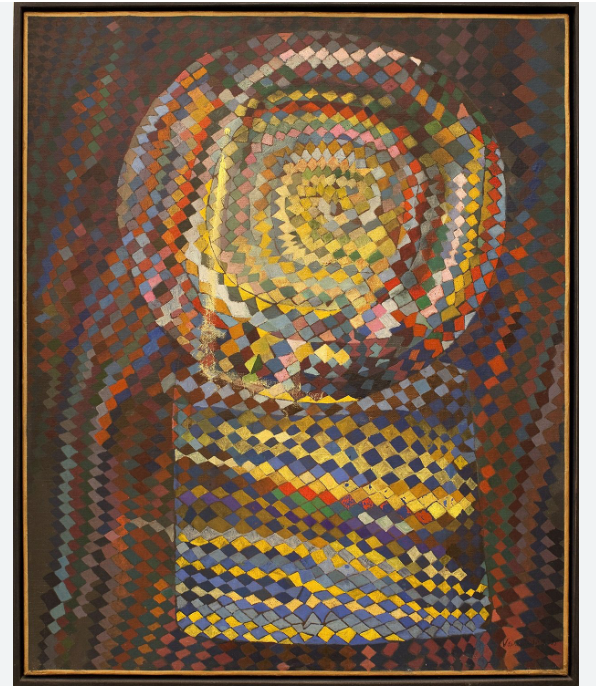
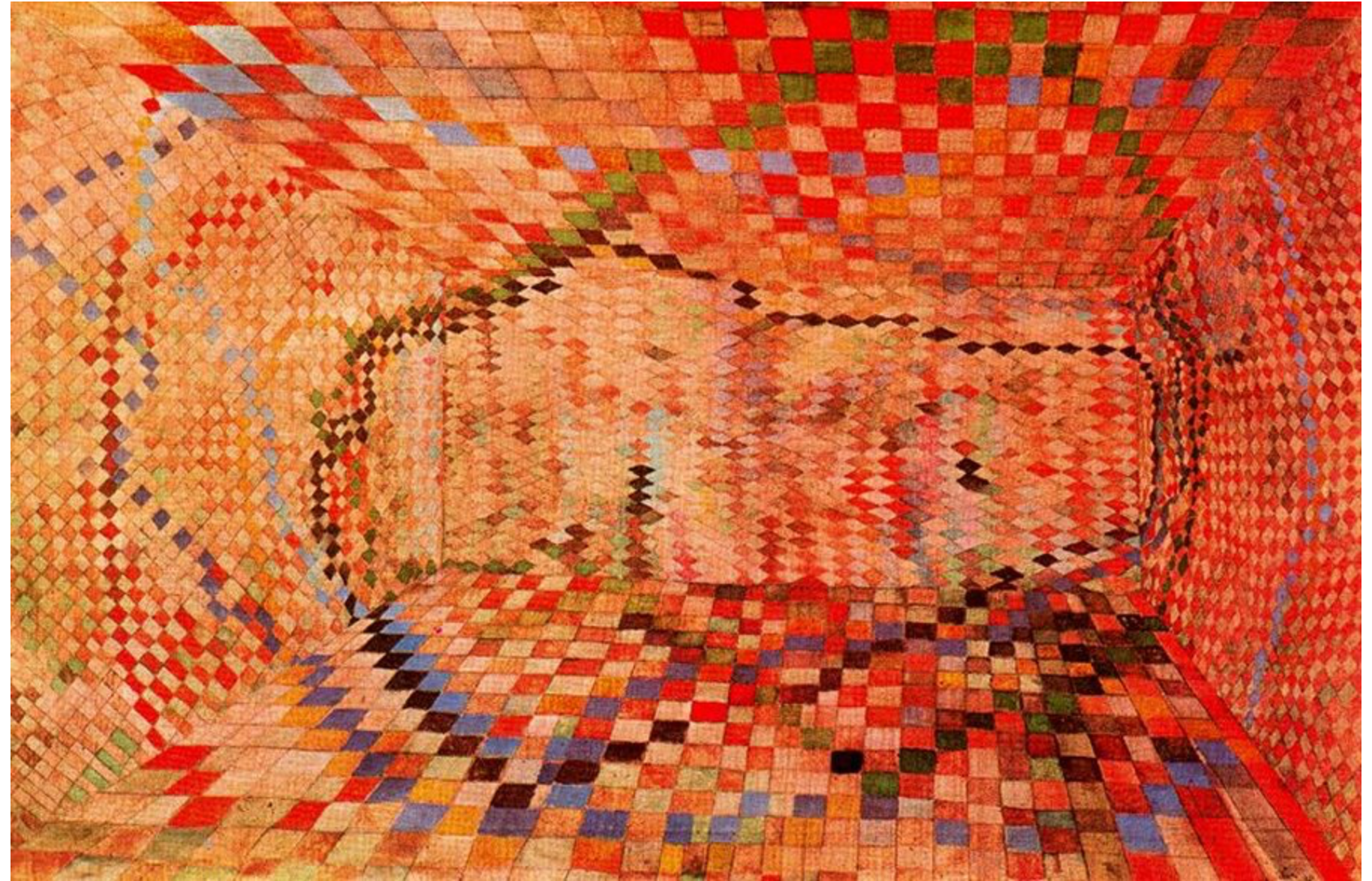
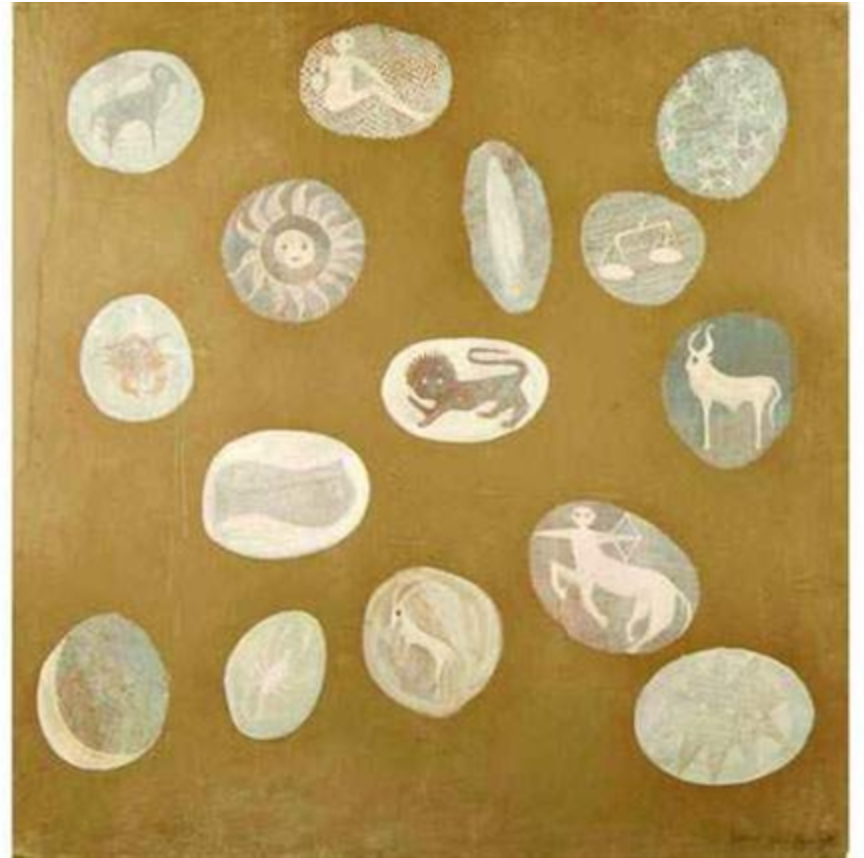
Maria Helena Vieira’s zodiac paintings were what caught my eye first. I have since become also obsessed with her web-like abstracts.
Maria Helena Vieira da Silva was a Portuguese-born painter who became one of the most distinctive voices in European abstraction. Born in Lisbon, she moved to Paris in 1928, where she studied sculpture before turning her attention primarily to painting.
Vieira da Silva's paintings often transform cities, interiors, streets, and architectural spaces into intricate networks of lines, grids, and shifting perspectives. Her compositions can feel both abstract and strangely familiar, inviting the eye to wander through layers of space. Her visual language was influenced in part by Cubism and by the tiled surfaces and urban landscapes of her native Portugal.
After spending the war years in Brazil, she returned to Paris, where she lived and worked for the rest of her life. She became internationally recognized for her poetic, atmospheric compositions and received the French government's Grand Prix National des Arts in 1966, becoming the first woman to receive the award.
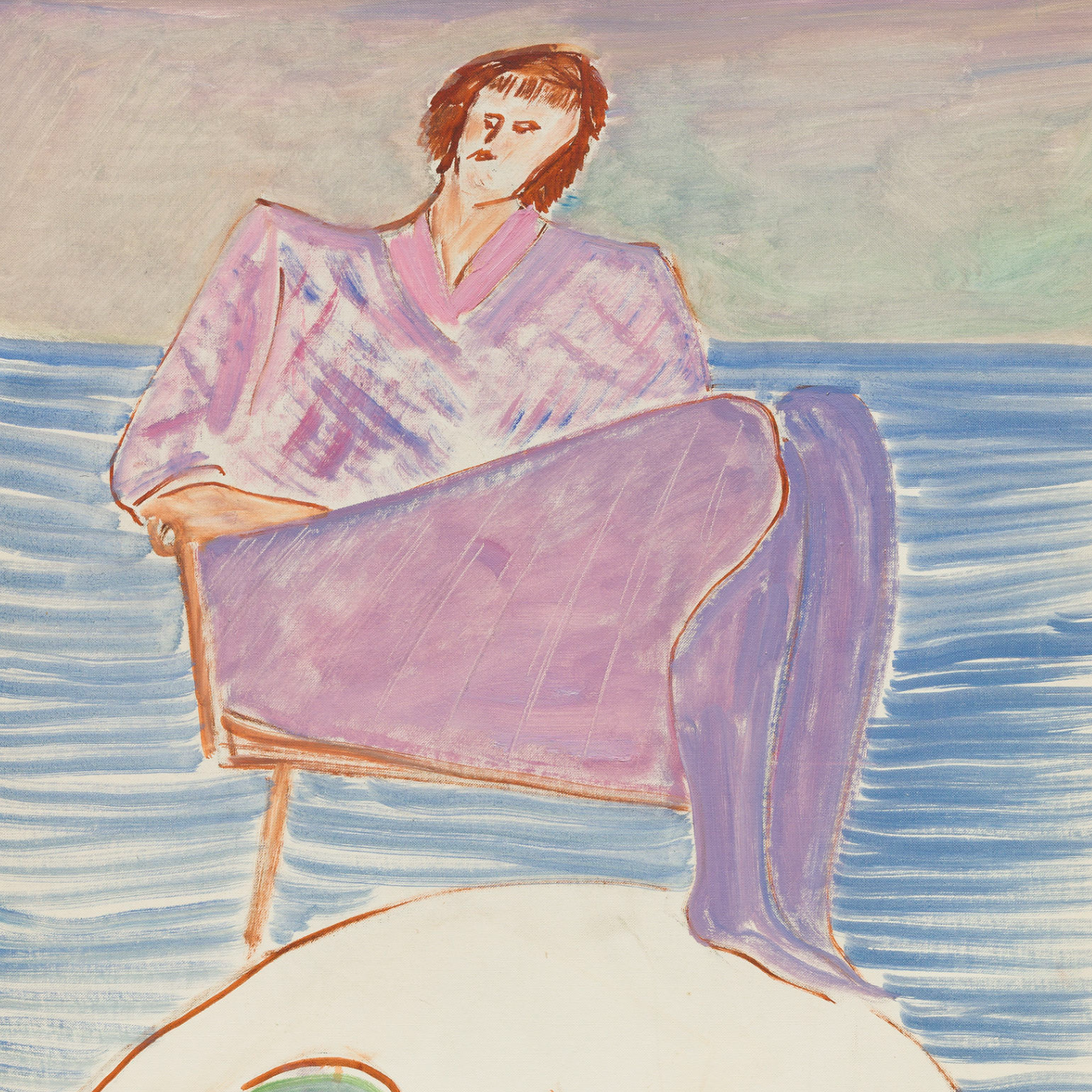
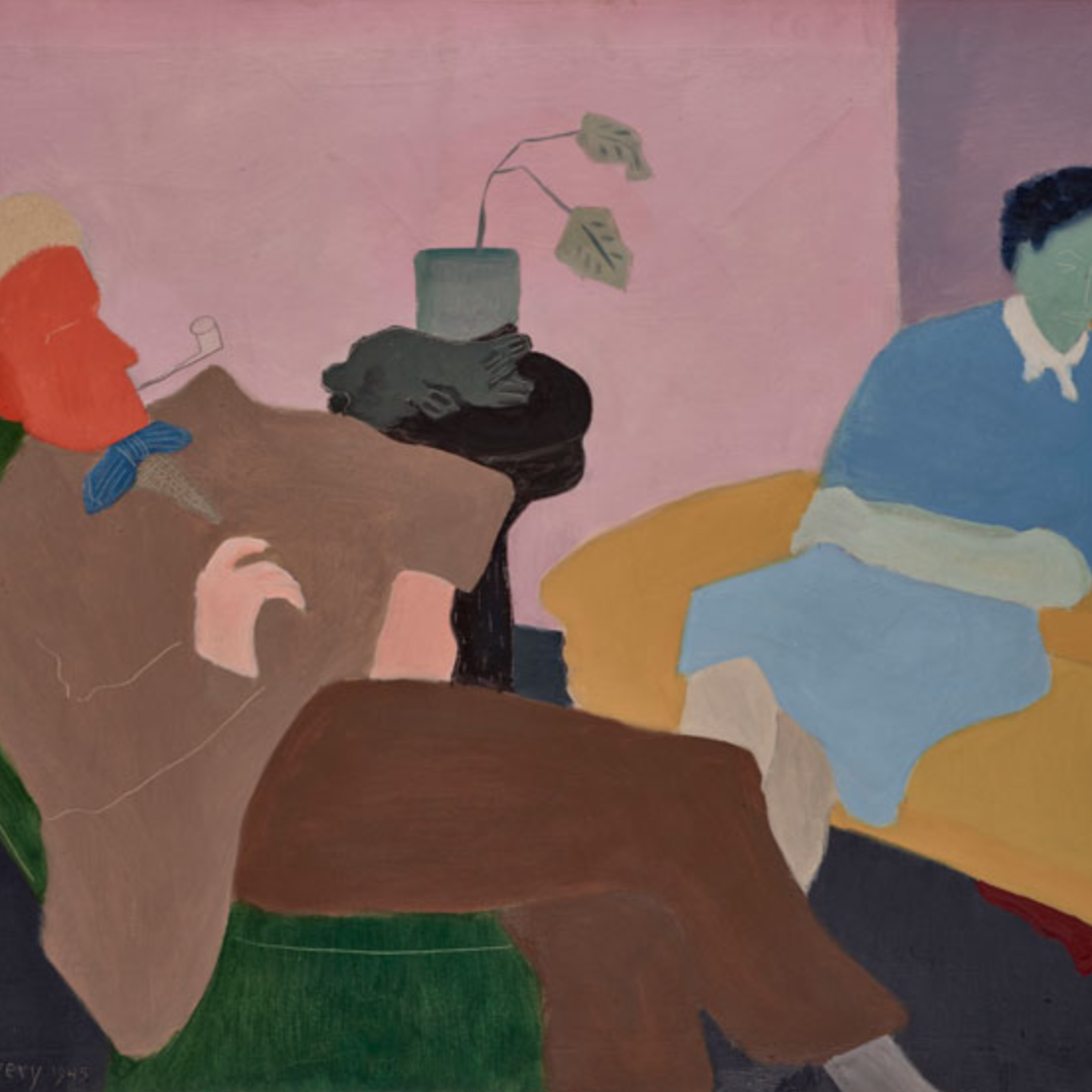
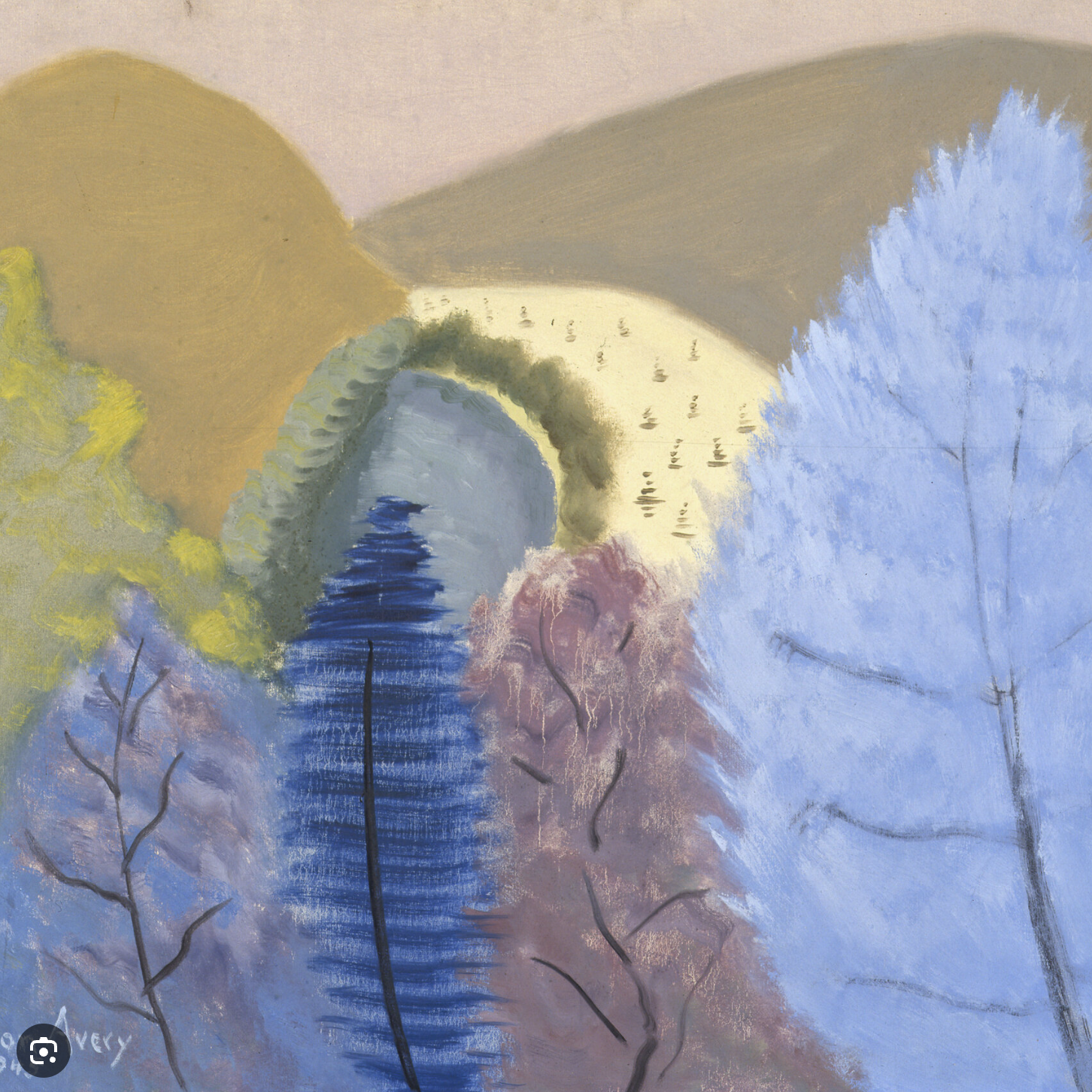
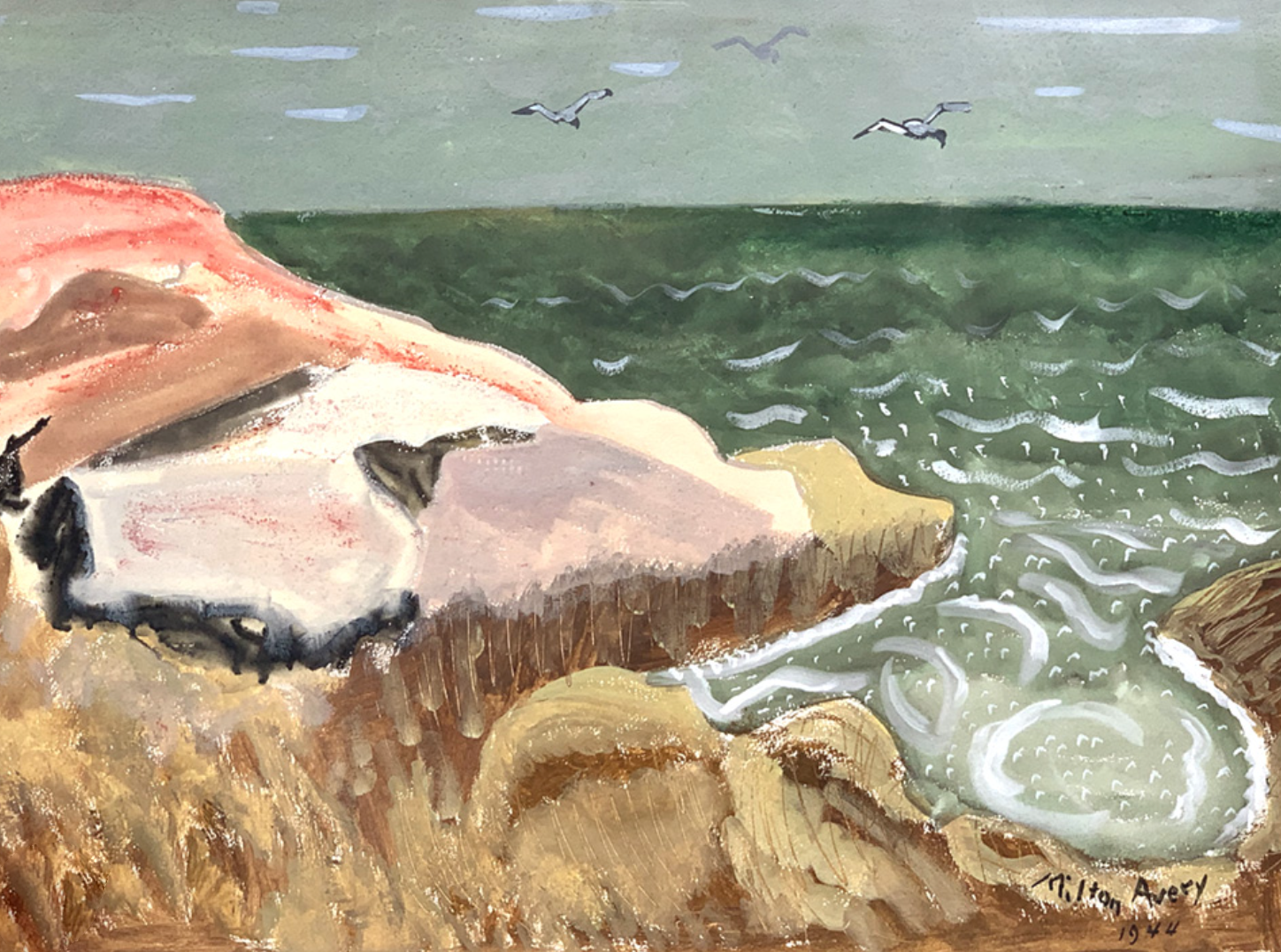
3. Milton Avery (1885–1965)
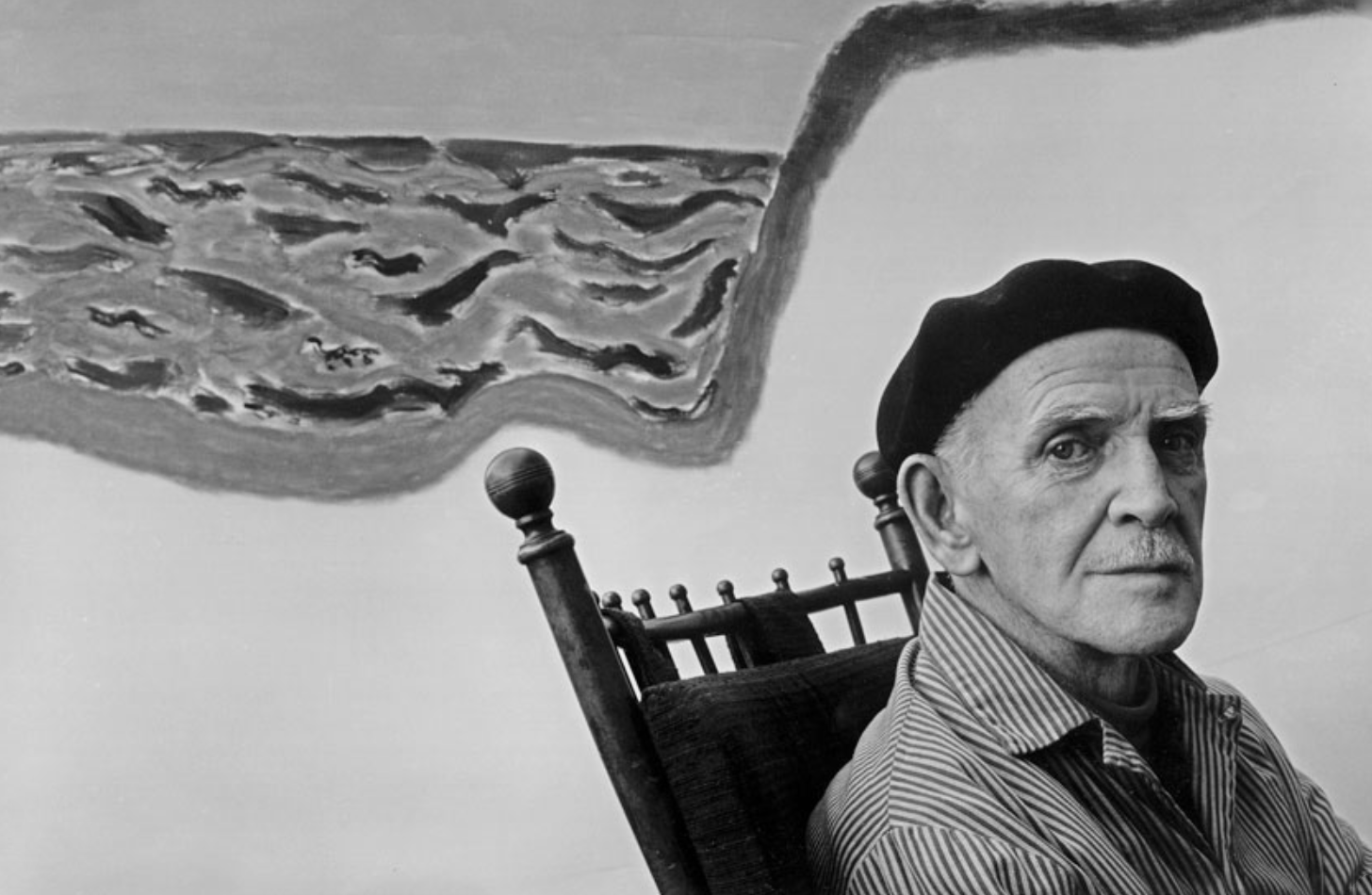
Coming from working-class roots, legend goes that when money was tight, he and his wife, Sally, survived on peanut butter and SPAM.
I find Avery to be a master of color and composition.
Often referred to as the "American Matisse," Avery created a distinct poetic style that focused on harmonizing flat shapes and luminous colors. Born into a working-class family in New York, Avery spent his early decades working grueling factory and night shifts in Connecticut to support his family while taking art classes during the day. It wasn't until he moved to New York City in 1925 that he began devoting himself entirely to his craft. Avery remained dedicated to representational subject matter—seascapes, landscapes, and intimate family portraits—even as the art world shifted dramatically toward pure abstraction. However, his method of flattening forms into interlocking color shapes deeply moved the next generation of creators.