

Five Analog Things That Spark My Creativity as an Artist
There's a particular kind of inspiration that doesn't come from a screen. It comes from turning a page, standing in a room full of other people's work, or simply sitting still long enough to notice the light change. As an artist, I've learned that my best ideas rarely arrive when I'm scrolling — they arrive when I slow down and let something analog do the work. Here are five of those things.
1. Reading autobiographies
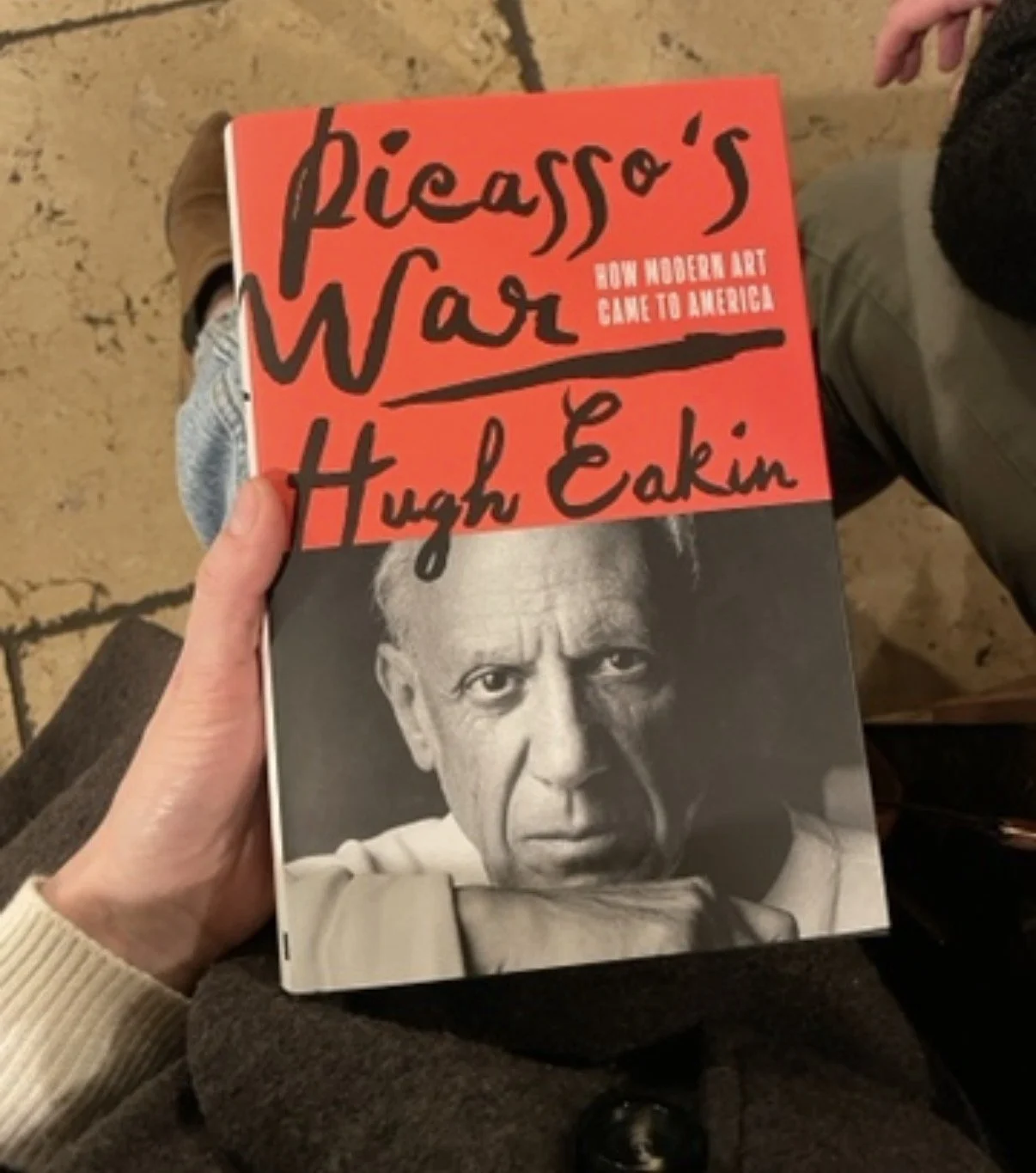
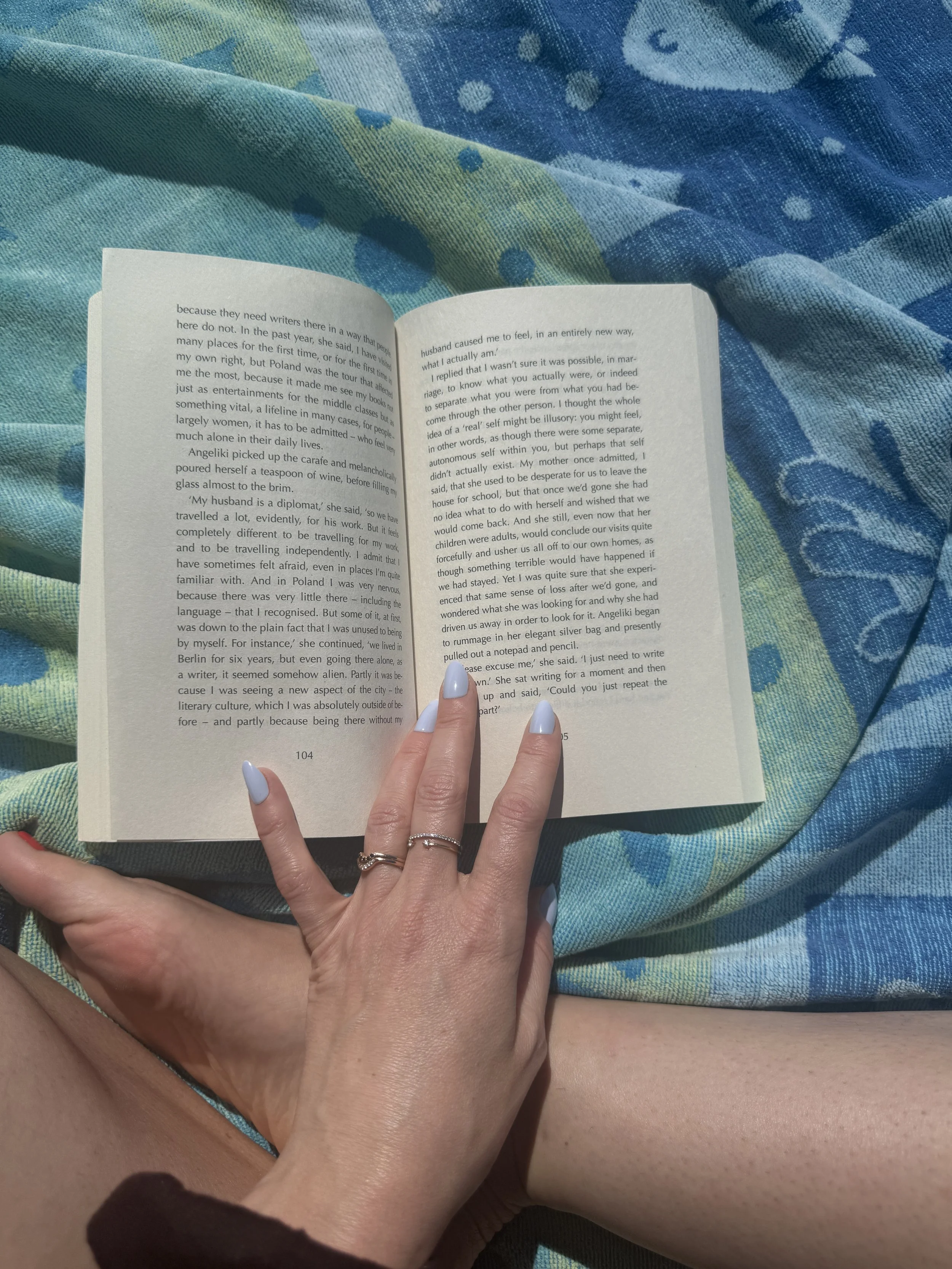
There's something about reading a person's life in their own words that feels different from any other kind of research. I keep coming back to Anne Truitt's journals — Daybook especially — for the way she writes about the discipline of making art alongside the discipline of simply living: raising children, doubting herself, showing up to the studio anyway. It's less a how-to than a record of persistence, and that's exactly what I need on the days when inspiration feels thin. Sofia Berlin's writing has become another touchstone for me in the same way — honest, unpolished, more interested in the truth of the process than the myth of it. Autobiographies remind me that a creative life isn't a straight line. It's messy, and that's the point.
2. Interior Design Magazines
I still buy print magazines, and I'm not embarrassed about it. Apartamento and AD sit in a stack near my desk, and I go back through old issues more than I read new ones. There's something about the pacing of a print magazine — the way a photograph gets a full page to breathe, no algorithm deciding what I see next — that makes me look longer and notice more. I still miss Domino; its particular eye for color and imperfection shaped how I think about a room, and by extension, how I think about composition in general. A well-styled interior and a well-composed painting aren't as different as people assume — both are about knowing what to leave out.
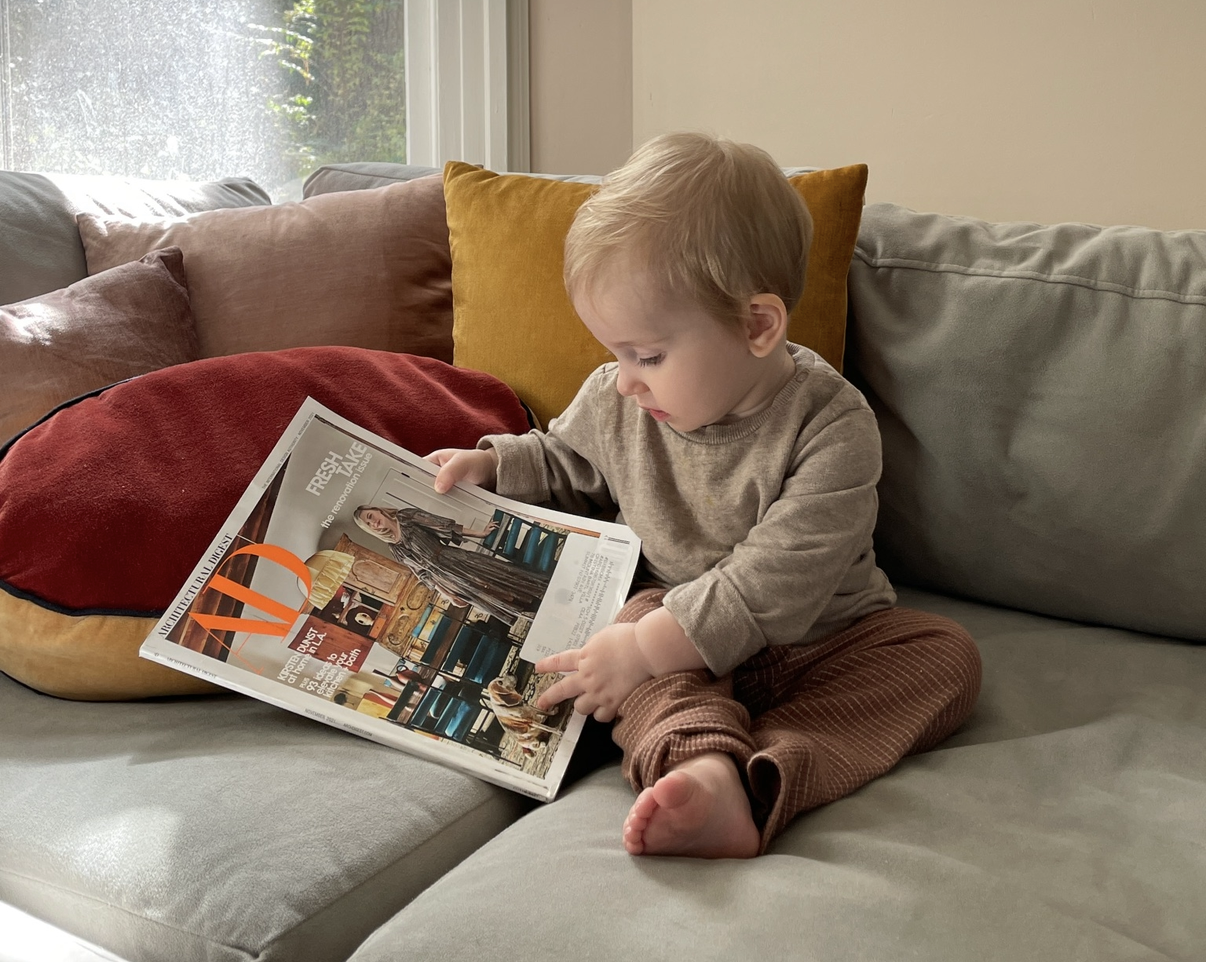
The AD mag is a coffee table staple at home!
3. Live Music
There is something uniquely inspiring about experiencing live music. Hearing a song performed in a room full of people creates an immediate connection between sound, emotion, movement, and atmosphere. The energy of the musicians, the rhythm of the performance, and the reactions of the audience can spark new ideas and encourage an artist to see their own creative work differently. Live music is about creating an experience and communicating something that resonates with others. To me, that sense of connection helps me shape new ideas, influence my mood and turn an evening into the beginning of something entirely new.
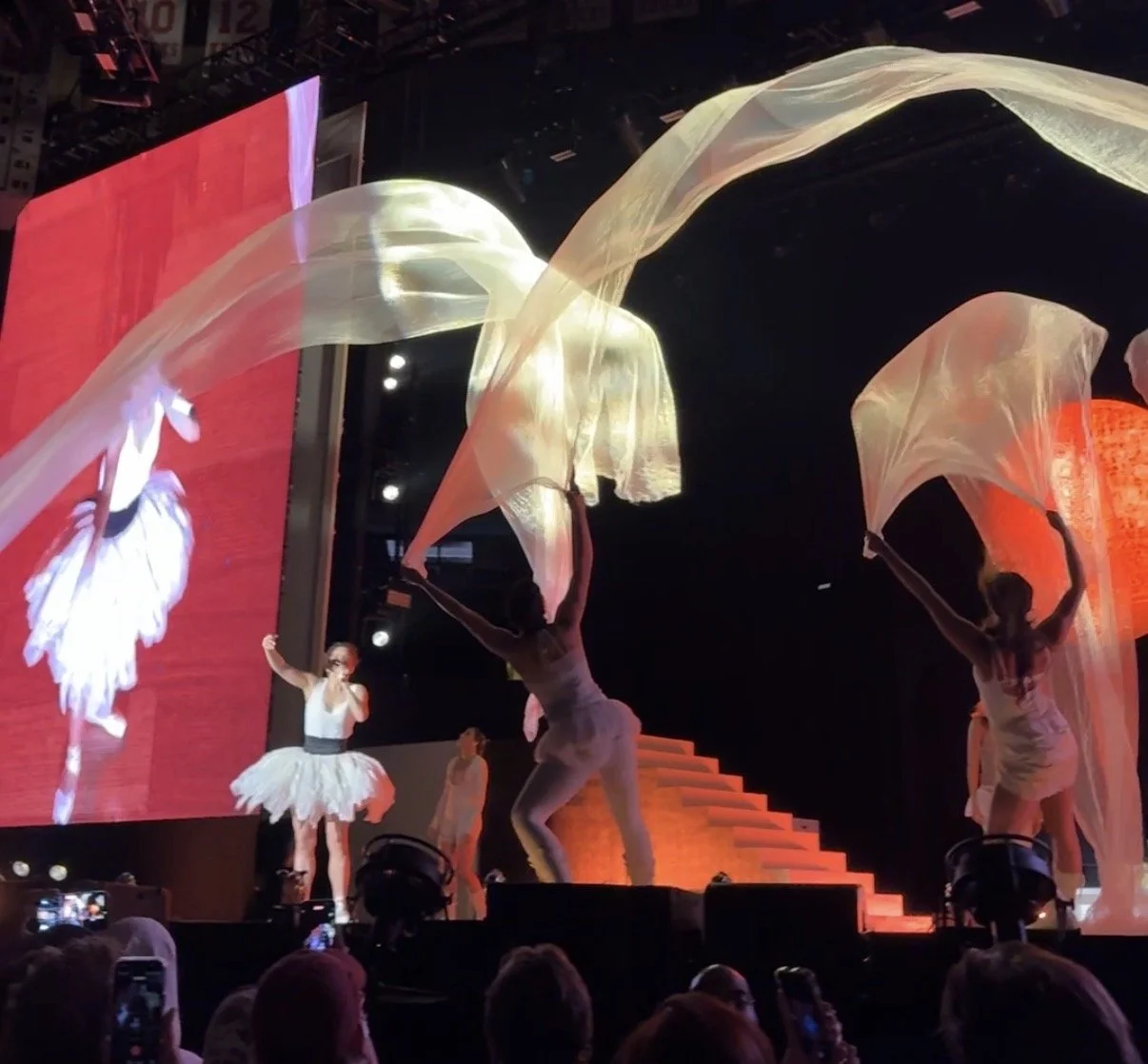
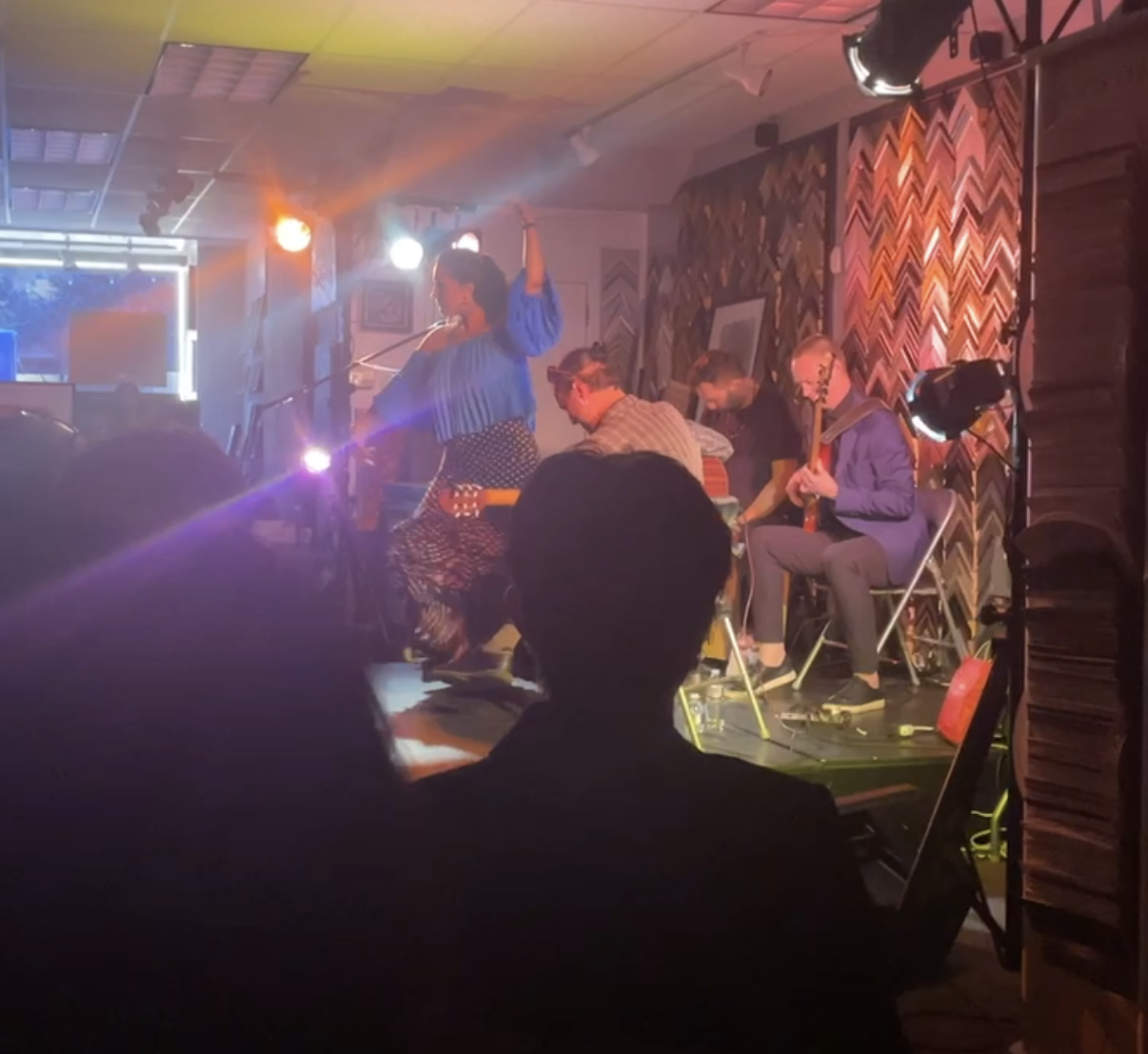
Rosalia (left) at Madison Square Garden, and a flamenco performance (right) at a local frame shop. Two extremely different venues and experiences but they were equally energizing and inspiring.
4. Nature, Gardening, and Upstate New York
I do a lot of my best thinking outside, usually not thinking about art at all. Gardening forces a kind of patience that studio work doesn't always allow — you plant something and then you wait, and in that waiting, ideas tend to surface on their own. Upstate New York has become one of my favorite places to disappear into this kind of slowness. Towns like Narrowsburg and Margaretville have a quiet, unhurried texture to them — the light on the river, the tree lines changing with the season — that ends up in my work in ways I don't always notice until later. Nature doesn't hand you a finished idea. It hands you color, texture, and rhythm, and lets you figure out what to do with them.
5. Galleries, Museums, and Artist Talks
Nothing replaces standing in front of an actual painting — the scale of it, the texture of the brushwork, the things a photograph flattens out. But what I look forward to even more is hearing an artist talk about their own work. There's a real difference between admiring a piece and understanding the decisions, doubts, and accidents that led to it. Artist talks pull back the curtain in a way that's genuinely useful, not just interesting — I leave with actual ideas about process, not just appreciation for the result. It's a reminder that every finished piece hides a hundred small decisions nobody else will ever see.
None of these things are efficient. They take time, attention, and a willingness to be somewhere without a phone in hand. But that's exactly why they work — creativity doesn't respond well to being rushed, and analog things, by nature, refuse to be rushed with you.